treks
Discover the breathtaking trails and hidden gems of treks. From peak summits to ancient valleys, embark on an unforgettable adventure.
Available Trips
14
Starting From
$ 700

Annapurna Circuit Trek
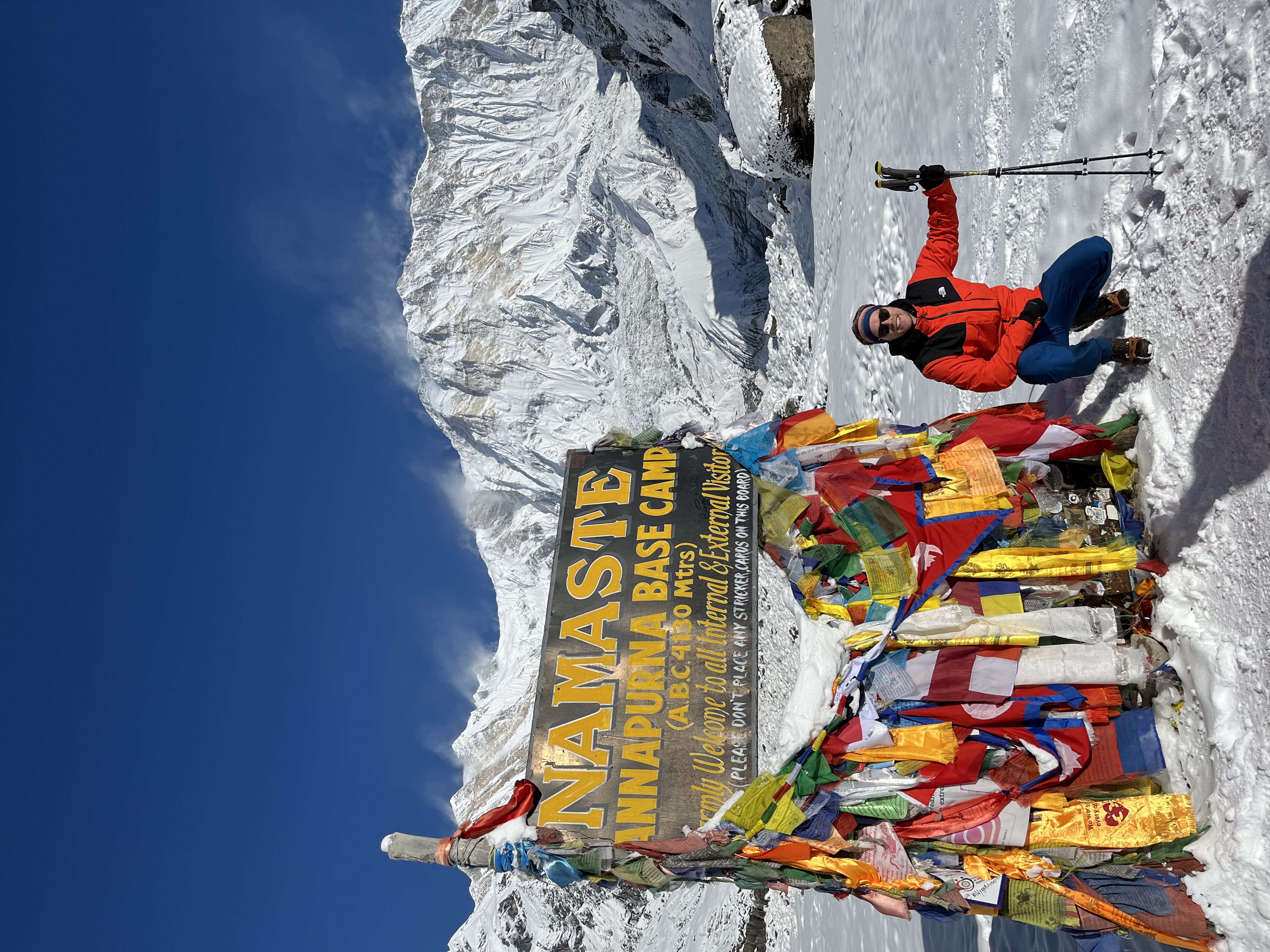
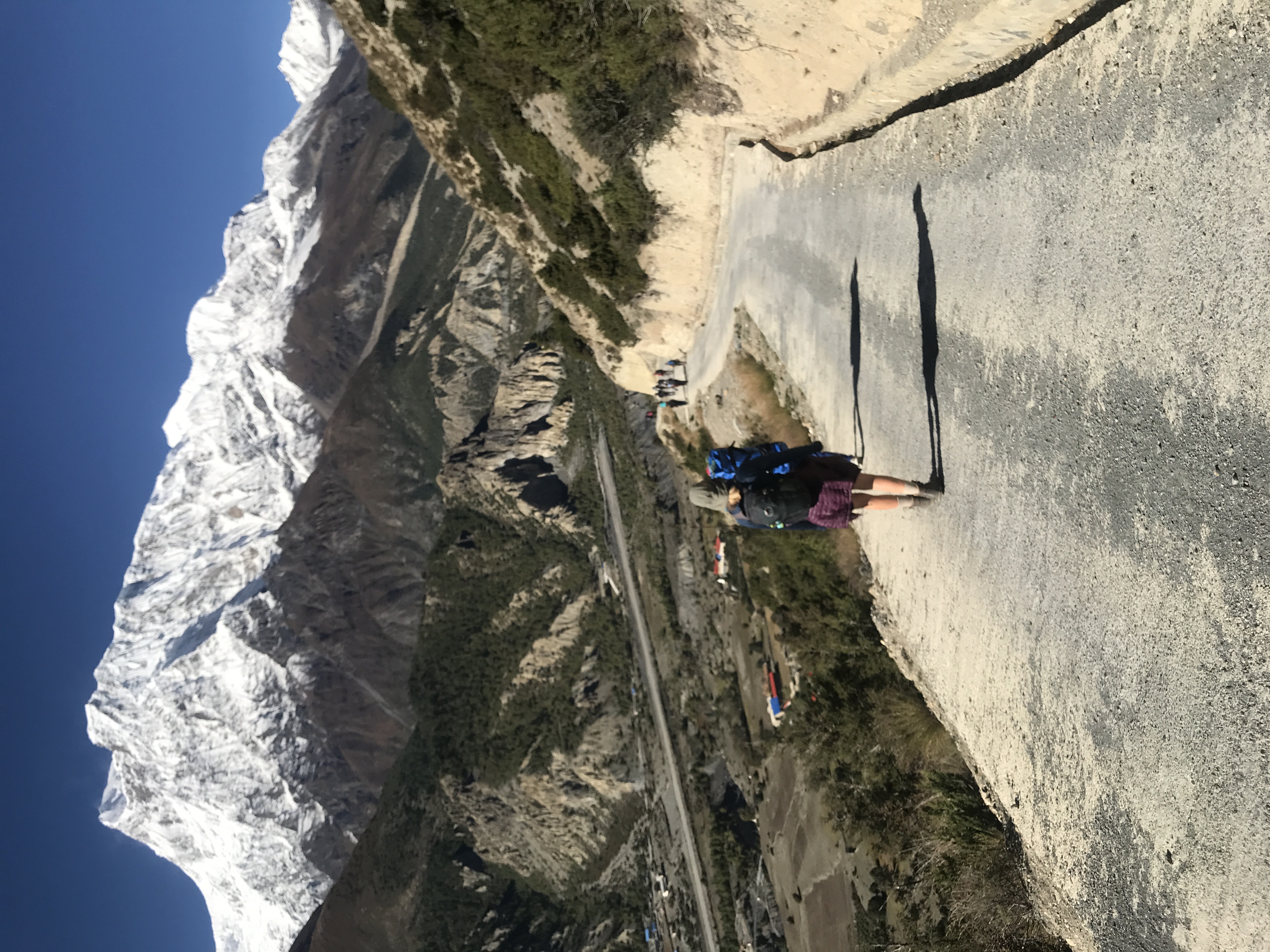
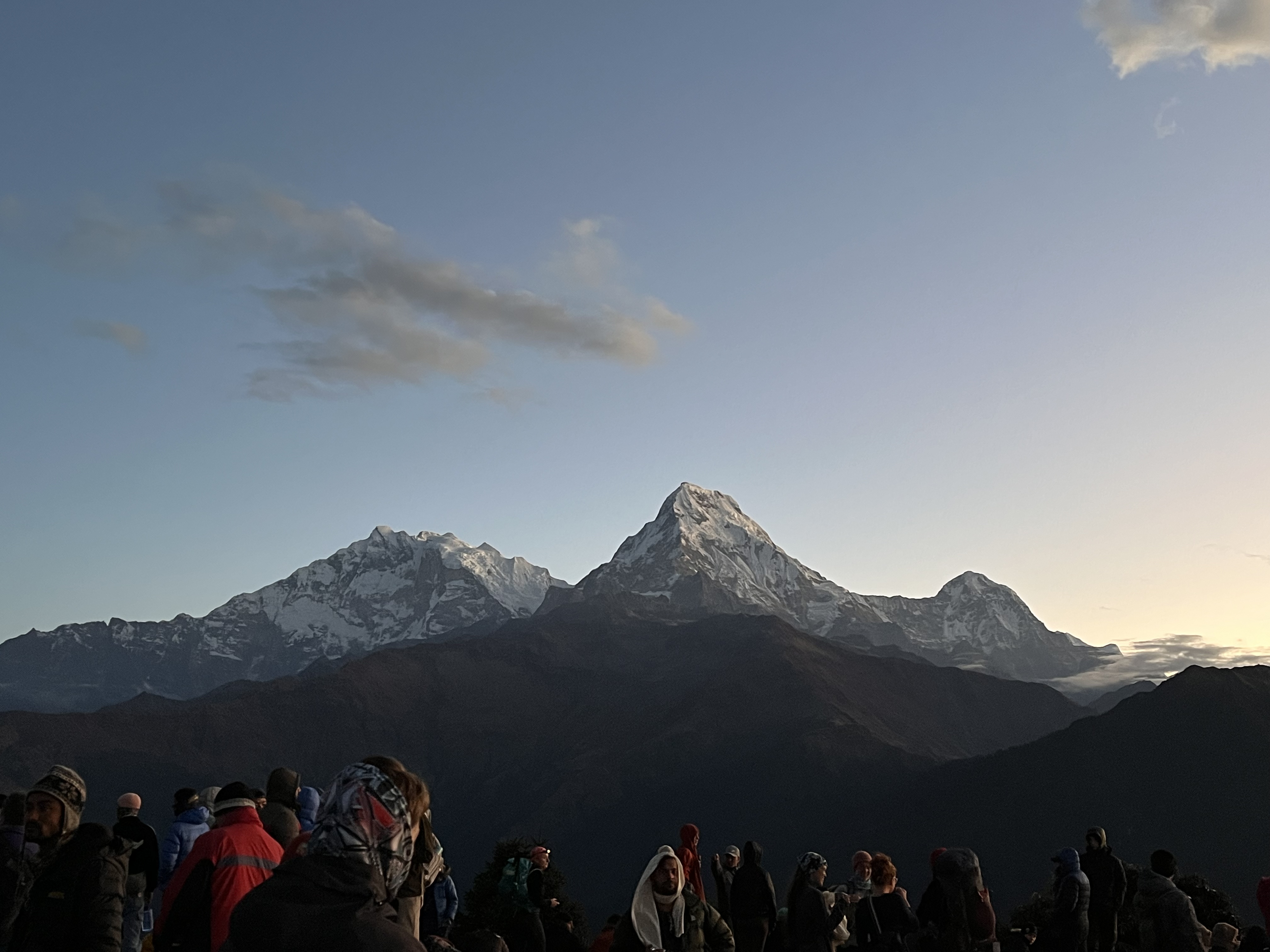
<h2>Annapurna Circuit Trek</h2> <p>The <strong>Annapurna Circuit Trek</strong> is one of the most popular and classic trekking routes in Nepal. It offers an incredible combination of cultural diversity, natural beauty, and panoramic Himalayan views. The trek circles the Annapurna Massif, crossing multiple climatic zones, from subtropical forests to alpine landscapes, making it a bucket-list adventure for trekkers worldwide.</p> <p>From traditional villages and terraced fields to high mountain passes, the Annapurna Circuit offers an immersive experience into the life, culture, and scenery of Nepal.</p> <hr> <h3>Trip Duration</h3> <ul> <li><strong>Total Duration:</strong> 16–21 days</li> <li><strong>Trekking Days:</strong> 14–18 days</li> <li><strong>Maximum Elevation:</strong> 5,416 m (Thorong La Pass)</li> </ul> <hr> <h3>Travel Timeline (Day-wise Overview)</h3> <ul> <li><strong>Day 1:</strong> Drive from Kathmandu to Besisahar</li> <li><strong>Day 2:</strong> Trek from Besisahar to Bahundanda</li> <li><strong>Day 3:</strong> Trek to Chamje</li> <li><strong>Day 4:</strong> Trek to Bagarchhap</li> <li><strong>Day 5:</strong> Trek to Chame</li> <li><strong>Day 6:</strong> Trek to Upper Pisang</li> <li><strong>Day 7:</strong> Trek to Manang (acclimatization)</li> <li><strong>Day 8:</strong> Acclimatization day in Manang, explore surrounding villages</li> <li><strong>Day 9:</strong> Trek to Yak Kharka</li> <li><strong>Day 10:</strong> Trek to Thorong Phedi / Muktinath</li> <li><strong>Day 11:</strong> Cross Thorong La Pass (5,416 m), trek to Muktinath</li> <li><strong>Day 12:</strong> Trek to Jomsom</li> <li><strong>Day 13:</strong> Fly or trek to Pokhara</li> <li><strong>Day 14:</strong> Drive back to Kathmandu or leisure in Pokhara</li> </ul> <p>The itinerary can be adjusted based on fitness, weather, and flight schedules.</p> <hr> <h3>Trekking Route</h3> <p>Kathmandu → Besisahar → Chamje → Chame → Upper Pisang → Manang → Thorong La Pass → Muktinath → Jomsom → Pokhara → Kathmandu</p> <p>The trail passes through terraced farmland, dense forests, river valleys, high-altitude settlements, and the arid landscapes of the Mustang region.</p> <hr> <h3>Major Highlights</h3> <ul> <li>Panoramic views of Annapurna, Dhaulagiri, Machhapuchhre, and Nilgiri ranges</li> <li>Thorong La Pass – one of the highest trekking passes in the world</li> <li>Visit to sacred <strong>Muktinath Temple</strong></li> <li>Traditional villages like Manang and Pisang</li> <li>Diverse landscapes from lush subtropical forests to high alpine deserts</li> <li>Cultural diversity including Gurung, Thakali, and Tibetan-influenced communities</li> </ul> <hr> <h3>Culture & Local Life</h3> <p>The Annapurna Circuit passes through multiple ethnic groups, each with distinct traditions, languages, and festivals. Trekkers experience Buddhist monasteries, prayer flags, traditional stone houses, and the lifestyle of high-altitude communities.</p> <hr> <h3>Accommodation & Food</h3> <h4>Staying Places</h4> <ul> <li>Teahouses and lodges along the trail, ranging from basic to comfortable</li> <li>Twin-sharing rooms with heating in colder regions</li> <li>Simple meals and communal dining areas</li> </ul> <h4>Food</h4> <ul> <li>Dal Bhat, noodles, pasta, pancakes, and local specialties</li> <li>Tea, coffee, and local herbal drinks</li> <li>Freshly cooked meals in teahouses or lodges</li> </ul> <hr> <h3>Best Time to Visit</h3> <ul> <li><strong>Spring (March–May):</strong> Clear skies, blooming rhododendrons, and moderate temperatures</li> <li><strong>Autumn (September–November):</strong> Stable weather, crisp mountain views, and ideal trekking conditions</li> </ul> <hr> <h3>Difficulty Level</h3> <ul> <li><strong>Difficulty:</strong> Moderate to Challenging</li> <li>Daily trekking: 5–7 hours, with longer days approaching Thorong La</li> <li>Requires good physical fitness and proper acclimatization</li> </ul> <hr> <h3>Permits Required</h3> <ul> <li>Annapurna Conservation Area Permit (ACAP)</li> <li>Trekking Information Management System (TIMS) card</li> </ul> <hr> <h3>Why Choose the Annapurna Circuit Trek?</h3> <ul> <li>Experience a classic Himalayan trek with unmatched scenery</li> <li>Cross high-altitude passes and remote mountain landscapes</li> <li>Blend of culture, adventure, and natural beauty</li> <li>Accessible teahouse trekking with comfortable accommodation options</li> </ul> <p><em>The Annapurna Circuit Trek is a journey of a lifetime, offering stunning views, cultural immersion, and a true Himalayan adventure.</em></p> <p><strong>Contact us</strong> to customize your Annapurna Circuit trek iti </p>

Everest Base Camp
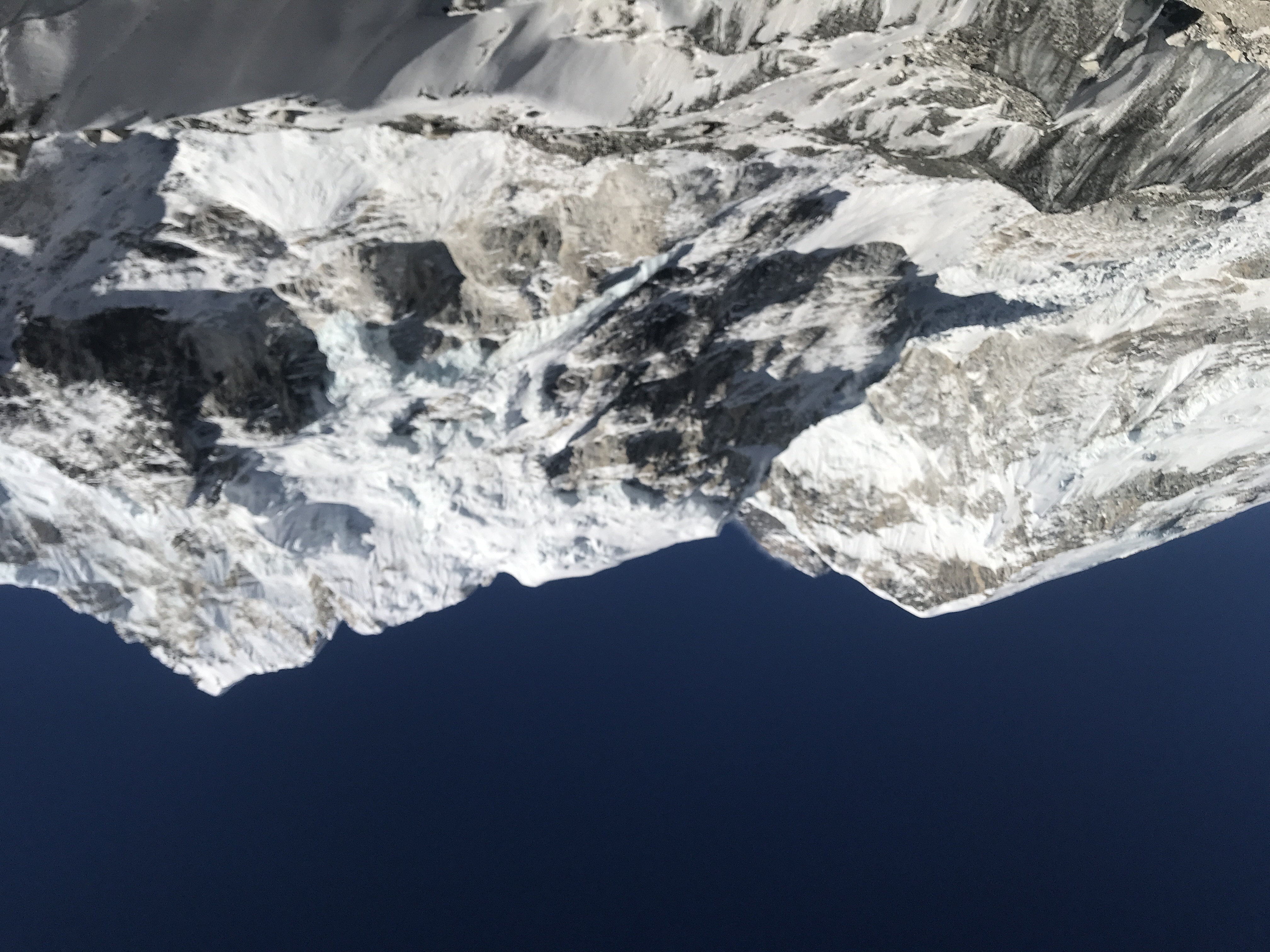
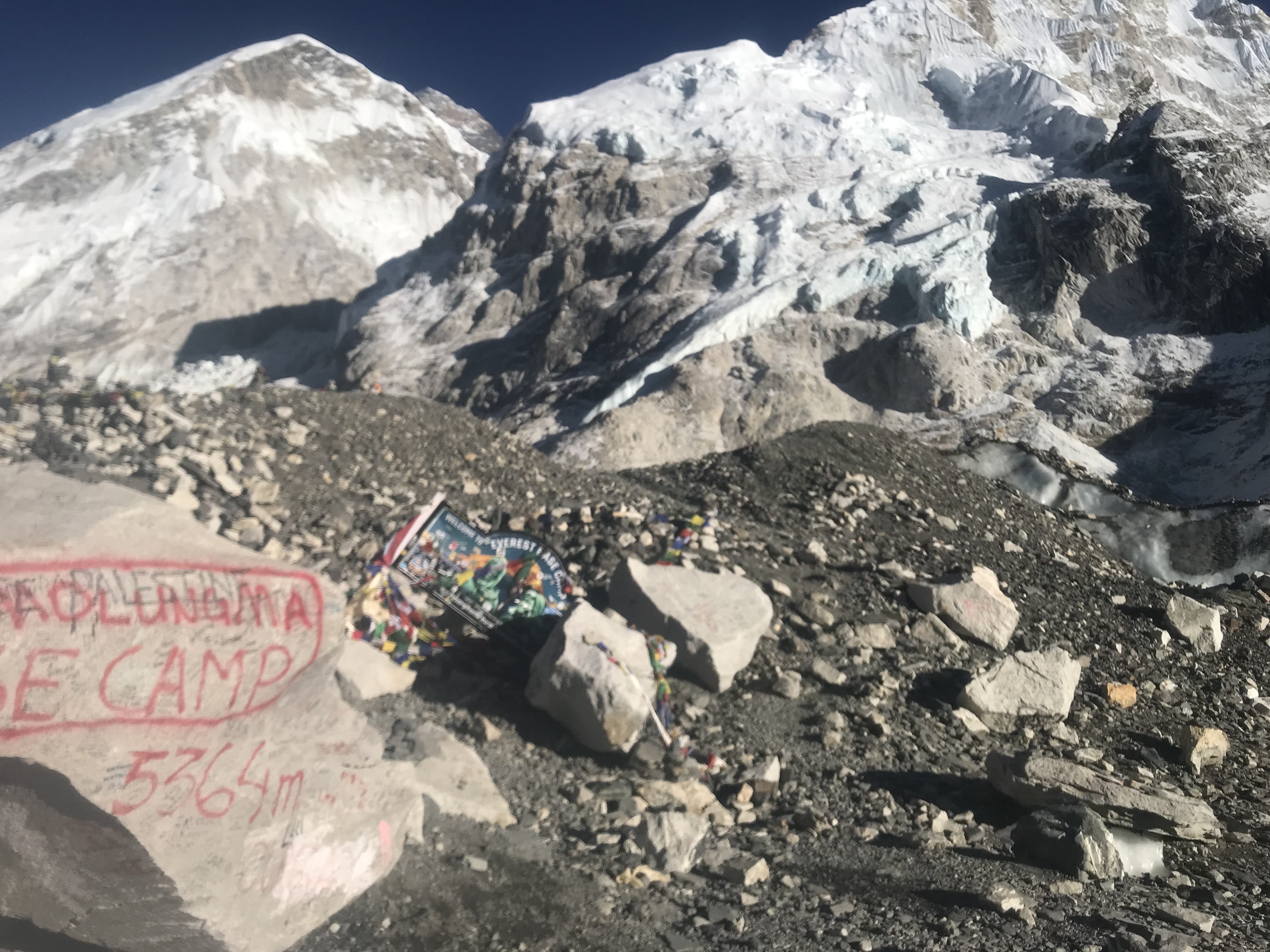
<h2>Everest Base Camp Trek</h2> <p>One of the most well-known treks in the world and the most iconic trekking experience in Nepal is the <b>Everest Base Camp Trek</b>. Encircled by the highest mountains on Earth, this trek takes you deep into the Khumbu region, following in the footsteps of legendary mountaineers.</p><p>With its stunning views of the Himalayas, lively Sherpa culture, historic monasteries, and striking scenery, the Everest Base Camp Trek is a once-in-a-lifetime experience.</p> <h2>Overview at a Glance</h2> <ul> <li><strong>Trek Duration:</strong> 12–16 days (commonly 14 days)</li> <li><strong>Maximum Elevation:</strong> 5,364 m (Everest Base Camp)</li> <li><strong>Difficulty Level:</strong> Moderate to Challenging</li> <li><strong>Best Seasons:</strong> March–May, September–November</li> <li><strong>Accommodation:</strong> Tea houses & lodges</li> <li><strong>Region:</strong> Everest (Khumbu)</li> </ul> <h2>Number of Days & Trek Duration</h2> <p> The Everest Base Camp Trek typically takes <strong>14 days</strong> from Kathmandu to Kathmandu. This includes two important acclimatization days to help your body adjust to high altitude. </p> <p> The itinerary is carefully designed to ensure safety while still allowing trekkers to fully enjoy the scenery, culture, and mountain views. </p> <h2>Travel Timeline</h2> <h3>Day 1: Kathmandu to Lukla – Trek to Phakding</h3> <p> A scenic mountain flight takes you from Kathmandu to <strong>Lukla</strong>, one of the most thrilling airports in the world. From Lukla, the trek begins with a short and gentle walk to <strong>Phakding</strong>. </p> <h3>Day 2–3: Phakding to Namche Bazaar</h3> <p> The trail follows the Dudh Koshi River, crossing suspension bridges and passing through pine forests. You reach <strong>Namche Bazaar</strong>, the main trading hub of the Khumbu region. </p> <h3>Day 4: Acclimatization Day in Namche Bazaar</h3> <p> A rest day for acclimatization, with short hikes to nearby viewpoints and villages. Panoramic views of Everest, Lhotse, and Ama Dablam can be seen from this area. </p> <h3>Day 5–6: Namche to Tengboche</h3> <p> The trek continues through beautiful rhododendron forests to <strong>Tengboche</strong>, home to the famous Tengboche Monastery, the largest monastery in the Khumbu region. </p> <h3>Day 7–8: Tengboche to Dingboche</h3> <p> As altitude increases, the landscape becomes more rugged and alpine. Dingboche is another important acclimatization stop with stunning mountain views. </p> <h3>Day 9: Acclimatization Day in Dingboche</h3> <p> Short hikes around Dingboche help the body adapt to the altitude. Views of Island Peak and surrounding mountains make this day special. </p> <h3>Day 10–11: Dingboche to Lobuche</h3> <p> The trail passes through memorials dedicated to climbers who lost their lives on Everest. The terrain becomes rocky and dramatic. </p> <h3>Day 12: Lobuche to Everest Base Camp</h3> <p> This is the most anticipated day of the trek. You reach <strong>Everest Base Camp (5,364 m)</strong>, standing beneath the mighty Khumbu Icefall. A truly emotional and unforgettable moment. </p> <h3>Day 13: Kala Patthar & Return</h3> <p> An early morning hike to <strong>Kala Patthar (5,545 m)</strong> offers the best sunrise view of Mount Everest. Afterwards, the trek begins descending back toward lower altitudes. </p> <h3>Day 14–16: Return to Lukla and Kathmandu</h3> <p> The return journey retraces the trail back to Lukla, followed by a flight to Kathmandu, bringing the trek to a memorable end. </p> <h2>Trekking Route</h2> <p> The trek lies within the <strong>Sagarmatha National Park</strong>, a UNESCO World Heritage Site. The route passes through Sherpa villages, glacial valleys, and alpine terrain along the Dudh Koshi River. </p> <p> The trail is well-established, making it suitable for first-time high-altitude trekkers with proper preparation. </p> <h2>Highlights of the Trek</h2> <ul> <li>Close-up views of Mount Everest (8,848 m)</li> <li>Scenic flight to and from Lukla</li> <li>Everest Base Camp and Khumbu Icefall</li> <li>Sunrise view from Kala Patthar</li> <li>Traditional Sherpa villages and monasteries</li> <li>Sagarmatha National Park landscapes</li> </ul> <h2>Accommodation & Staying Places</h2> <p> The Everest Base Camp Trek offers comfortable <strong>tea house accommodation</strong> throughout the route. Most lodges provide private or shared rooms with communal dining areas. </p> <ul> <li>Phakding</li> <li>Namche Bazaar</li> <li>Tengboche</li> <li>Dingboche</li> <li>Lobuche</li> <li>Gorak Shep</li> </ul> <h2>Food & Meals</h2> <p> Tea houses offer a wide range of meals to keep trekkers energized throughout the journey. </p> <ul> <li>Dal Bhat (rice, lentils, vegetables)</li> <li>Pasta, noodles, and fried rice</li> <li>Soups and potatoes</li> <li>Tea, coffee, and hot drinks</li> </ul> <h2>Difficulty & Fitness</h2> <p> The Everest Base Camp Trek is considered <strong>moderate to challenging</strong>. No technical climbing skills are required, but good physical fitness and mental determination are important due to altitude and long walking days. </p> <h2>Why Choose Everest Base Camp Trek?</h2> <p> The Everest Base Camp Trek is a perfect blend of adventure, culture, and natural beauty. Standing at the base of the world’s highest mountain is a dream come true for trekkers from around the globe. </p>

Everest Three Pass
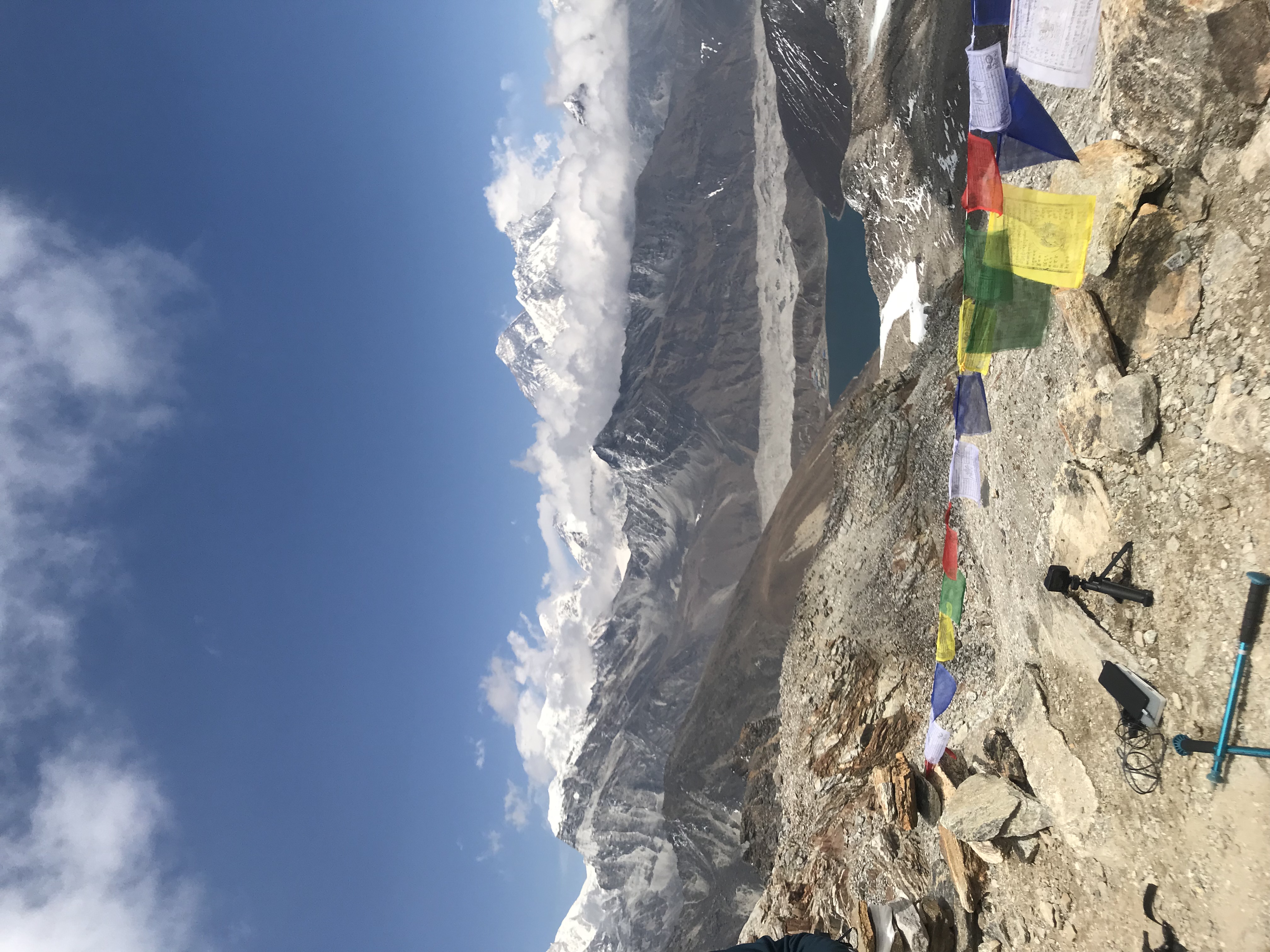
<h2>Everest Three Passes Trek</h2> <p> The <strong>Everest Three Passes Trek</strong> is considered one of the most challenging and rewarding treks in the Everest region. Designed for experienced trekkers, this epic journey crosses three high Himalayan passes — <strong>Kongma La (5,535 m)</strong>, <strong>Cho La (5,420 m)</strong>, and <strong>Renjo La (5,360 m)</strong>. Along the way, trekkers experience dramatic mountain scenery, iconic Everest viewpoints, remote valleys, and the deep-rooted Sherpa culture of the Khumbu region. </p> <h3>Trip Overview</h3> <ul> <li><strong>Duration:</strong> 18–22 days</li> <li><strong>Maximum Elevation:</strong> 5,535 m (Kongma La Pass)</li> <li><strong>Difficulty:</strong> Very Challenging</li> <li><strong>Region:</strong> Everest (Khumbu) Region</li> <li><strong>Starting Point:</strong> Lukla</li> <li><strong>Ending Point:</strong> Lukla</li> <li><strong>Permit Required:</strong> Yes</li> </ul> <h3>Travel Timeline (Typical 20-Day Itinerary)</h3> <ol> <li><strong>Day 1:</strong> Fly from Kathmandu to Lukla, trek to Phakding</li> <li><strong>Day 2:</strong> Trek to Namche Bazaar</li> <li><strong>Day 3:</strong> Acclimatization day at Namche</li> <li><strong>Day 4:</strong> Trek to Tengboche</li> <li><strong>Day 5:</strong> Trek to Dingboche</li> <li><strong>Day 6:</strong> Acclimatization day at Dingboche</li> <li><strong>Day 7:</strong> Cross Kongma La Pass to Lobuche</li> <li><strong>Day 8:</strong> Trek to Gorakshep, hike to Everest Base Camp</li> <li><strong>Day 9:</strong> Hike Kala Patthar, trek back to Dzongla</li> <li><strong>Day 10:</strong> Cross Cho La Pass to Thagnak</li> <li><strong>Day 11:</strong> Trek to Gokyo</li> <li><strong>Day 12:</strong> Explore Gokyo Valley and Gokyo Ri</li> <li><strong>Day 13:</strong> Cross Renjo La Pass to Lungden</li> <li><strong>Day 14:</strong> Trek to Thame</li> <li><strong>Day 15:</strong> Trek to Namche Bazaar</li> <li><strong>Day 16:</strong> Trek to Lukla</li> <li><strong>Day 17:</strong> Fly back to Kathmandu</li> </ol> <h3>Trekking Route</h3> <p> The trek begins with a scenic flight to Lukla, followed by a gradual ascent through the Dudh Koshi Valley to Namche Bazaar. After exploring the classic Everest Base Camp route, the trail diverts into remote valleys crossing Kongma La, Cho La, and Renjo La passes. Highlights include Everest Base Camp, Kala Patthar, the turquoise Gokyo Lakes, and panoramic viewpoints overlooking Everest, Lhotse, Makalu, and Cho Oyu. </p> <h3>Major Highlights</h3> <ul> <li>Crossing three high Himalayan passes above 5,300 meters</li> <li>Everest Base Camp and Kala Patthar sunrise view</li> <li>Gokyo Lakes and Gokyo Ri viewpoint</li> <li>Panoramic views of Everest, Lhotse, Makalu, and Cho Oyu</li> <li>Remote valleys and fewer crowds</li> <li>Authentic Sherpa villages and monasteries</li> </ul> <h3>Cultural Experience</h3> <p> The Khumbu region is home to the Sherpa people, renowned for their mountaineering heritage and Buddhist traditions. Along the trail, trekkers encounter prayer wheels, mani walls, chortens, and monasteries such as Tengboche Monastery. The hospitality of the Sherpa community adds a warm cultural dimension to this demanding trek. </p> <h3>Accommodation & Food</h3> <p> Accommodation throughout the Everest Three Passes Trek is in teahouses and mountain lodges. Rooms are basic but comfortable. Meals include dal bhat, noodles, soups, momos, pasta, potatoes, and eggs. Food variety decreases at higher elevations, but meals remain hearty and energizing. </p> <h3>Difficulty & Fitness Level</h3> <p> This trek is classified as <u style="">very challenging</u> and is recommended only for experienced trekkers with excellent physical fitness. Long walking days, extreme altitude, steep ascents, and glacier crossings demand strong endurance, mental resilience, and proper acclimatization. </p> <h3>Permits Required</h3> <ul> <li>Khumbu Pasang Lhamu Rural Municipality Permit</li> <li>Sagarmatha National Park Permit</li> </ul> <h3>Best Time to Trek</h3> <ul> <li><strong>Spring (March–May):</strong> Stable weather and clear mountain views</li> <li><strong>Autumn (September–November):</strong> Best trekking conditions and visibility</li> </ul> <h3>Why Choose the Everest Three Passes Trek?</h3> <p> The Everest Three Passes Trek is the ultimate challenge in the Khumbu region. Combining adventure, altitude, iconic landmarks, and remote Himalayan beauty, it offers one of the most complete and unforgettable trekking experiences in Nepal. </p>

Kanchanjunga Base Camp
<h2>Kanchanjunga Base Camp Trek</h2> <p>One of the most isolated, untamed, and fulfilling trekking experiences in Nepal is the <b>Kanchanjunga Base Camp Trek</b>. This trek takes you deep into eastern Nepal, near the borders of Tibet and India, far from the crowded paths of Everest and Annapurna. The third-highest mountain in the world, <b>Mount Kanchanjunga (8,586 m)</b>, dominates the route, making it ideal for hikers seeking untainted nature, real village life, and striking Himalayan scenery.</p><p>Reaching a destination is only one aspect of this journey; another is the gradual exploration of diverse landscapes, cultures, and climates, ranging from terraced fields and warm river valleys to icy glaciers and snow-capped peaks.</p> <h2>Overview at a Glance</h2> <ul> <li><strong>Trek Duration:</strong> 20–24 days (commonly 21–22 days)</li> <li><strong>Maximum Elevation:</strong> 5,143 m (Pangpema – North Base Camp)</li> <li><strong>Difficulty Level:</strong> Challenging</li> <li><strong>Best Seasons:</strong> March–May, September–November</li> <li><strong>Accommodation:</strong> Tea houses & basic lodges</li> <li><strong>Permit Required:</strong> Restricted Area Permit & Conservation Area Permit</li> </ul> <h2>Number of Days & Trek Duration</h2> <p> The Kanchanjunga Base Camp Trek usually takes <strong>21 to 24 days</strong>, depending on acclimatization days, weather conditions, and walking pace. </p> <p> Because of the remoteness and high altitude, the trek is designed to be slow and well-paced, allowing proper acclimatization and a safer trekking experience. </p> <h2>Travel Timeline</h2> <h3>Day 1–2: Kathmandu to Taplejung</h3> <p> The journey begins with a flight or drive from Kathmandu to <strong>Bhadrapur</strong>, followed by a scenic drive to <strong>Taplejung</strong>. This section offers beautiful views of hills, rivers, and rural villages. </p> <h3>Day 3–7: Lower Region Trek</h3> <p> The trek starts from villages like <strong>Suketar or Mitlung</strong>. The trail passes through terraced farmland, cardamom plantations, bamboo forests, and traditional Limbu and Rai villages. </p> <h3>Day 8–12: Entering the Alpine Zone</h3> <p> As altitude increases, the landscape changes dramatically. You reach beautiful villages such as <strong>Ghunsa</strong>, a Tibetan-style settlement and a key acclimatization stop. </p> <h3>Day 13–15: North Base Camp (Pangpema)</h3> <p> The trail leads to <strong>Pangpema (5,143 m)</strong>, the North Base Camp of Kanchanjunga. This is one of the most spectacular viewpoints, offering close-up views of Kanchanjunga, Jannu, and surrounding glaciers. </p> <h3>Day 16–18: High Pass Crossing</h3> <p> The route crosses high passes such as <strong>Sele La Pass</strong>, connecting the north and south base camp regions. These trails are remote, quiet, and rarely crowded. </p> <h3>Day 19–20: South Base Camp (Oktang)</h3> <p> The trek continues to <strong>Oktang</strong>, the South Base Camp viewpoint. Massive glaciers, icefalls, and towering mountain walls dominate the landscape, creating a truly unforgettable experience. </p> <h3>Day 21–24: Return Journey</h3> <p> The return route descends through villages like <strong>Yamphudin</strong>, followed by a drive back to Bhadrapur and a flight to Kathmandu. </p> <h2>Trekking Route</h2> <p> The trek lies in the <strong>Kanchanjunga Conservation Area</strong> and follows ancient trade routes used by local communities for centuries. The trail passes through river valleys, dense forests, alpine meadows, and glacial terrain. </p> <p> Unlike popular trekking routes, this trail remains largely untouched and peaceful. </p> <h2>Highlights of the Trek</h2> <ul> <li>Close views of Mount Kanchanjunga (8,586 m)</li> <li>Panoramic Himalayan scenery with peaks like Jannu and Kabru</li> <li>Rich cultural experience of Limbu, Rai, Sherpa, and Tibetan communities</li> <li>Diverse landscapes from subtropical forests to glaciers</li> <li>One of Nepal’s least crowded trekking routes</li> </ul> <h2>Accommodation & Staying Places</h2> <p> Accommodation during the trek is mostly in <strong>tea houses and basic lodges</strong>. Facilities are simple but comfortable enough for trekkers. </p> <ul> <li>Mitlung</li> <li>Chhiruwa</li> <li>Sekathum</li> <li>Ghunsa</li> <li>Kambachen</li> <li>Lhonak</li> <li>Yamphudin</li> </ul> <h2>Food & Meals</h2> <p> Meals are freshly prepared using local ingredients. Common meals include: </p> <ul> <li>Dal Bhat (rice, lentils, vegetables)</li> <li>Noodles and soups</li> <li>Potatoes and seasonal vegetables</li> <li>Tibetan bread and butter tea in higher regions</li> </ul> <h2>Difficulty & Fitness</h2> <p> This is a <strong>challenging trek</strong>, suitable for experienced trekkers with good physical fitness. Long walking days, high altitude, and remote conditions make this trek more demanding than Everest or Annapurna. </p> <h2>Why Choose Kanchanjunga Base Camp Trek?</h2> <p> If you are looking for a true Himalayan adventure with untouched trails, fewer tourists, and deep cultural immersion, the Kanchanjunga Base Camp Trek is one of the best choices in Nepal. </p>

Langtang Valley Trek
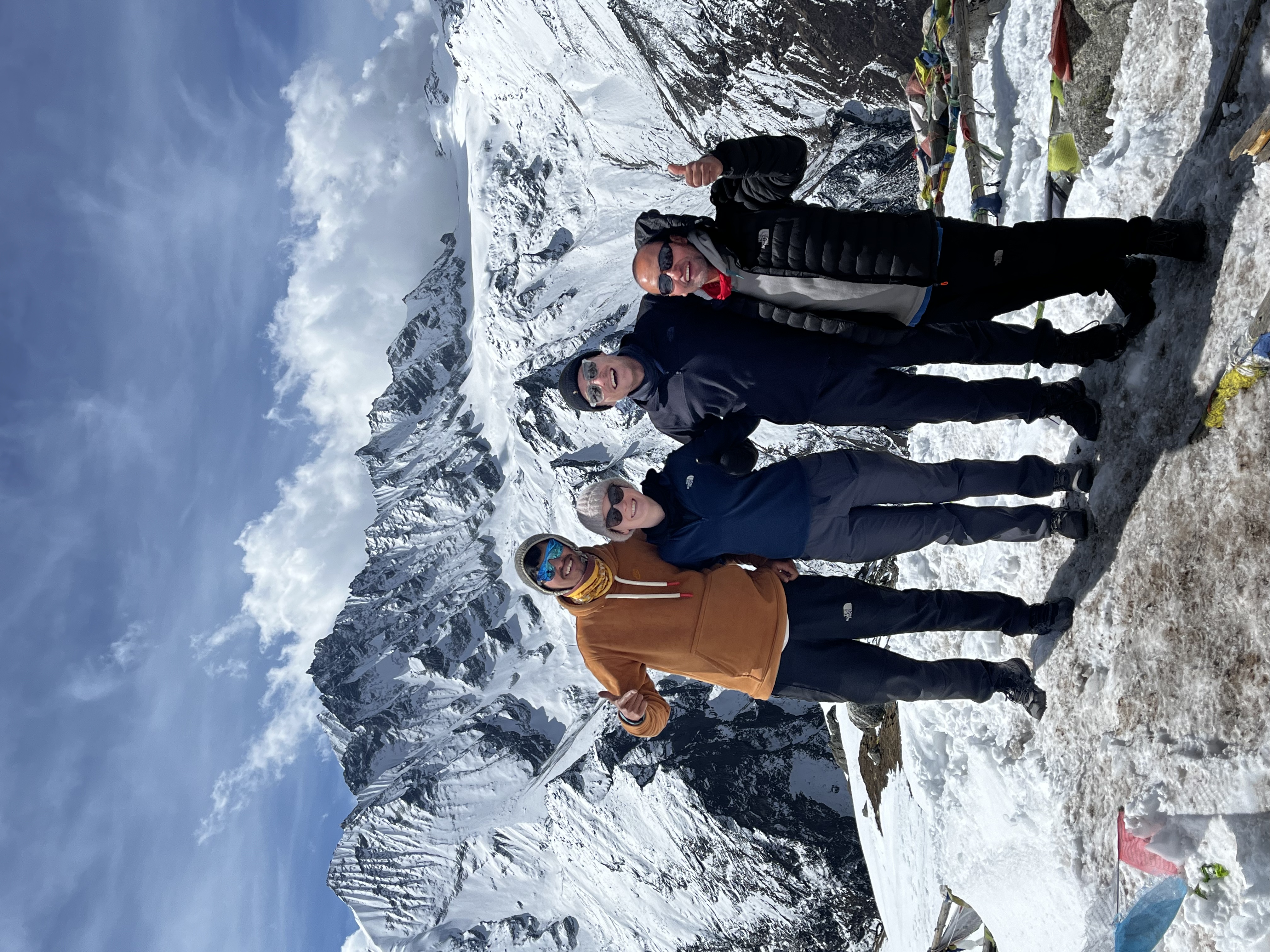
<h2>Langtang Valley Trek</h2> <p> The <strong>Langtang Valley Trek</strong> is one of the most beautiful and accessible trekking journeys in Nepal. Located just north of Kathmandu, this trek offers a perfect combination of Himalayan scenery, rich culture, and diverse landscapes in a relatively short period of time. </p> <p> Often referred to as the “Valley of Glaciers,” Langtang is known for its stunning mountain views, traditional Tamang villages, lush forests, and peaceful monasteries. It is an excellent choice for trekkers who want a rewarding Himalayan experience without long travel days. </p> <h2>Overview at a Glance</h2> <ul> <li><strong>Trek Duration:</strong> 7–10 days (commonly 8 days)</li> <li><strong>Maximum Elevation:</strong> 3,870 m (Kyanjin Ri) / 4,984 m (Tserko Ri)</li> <li><strong>Difficulty Level:</strong> Moderate</li> <li><strong>Best Seasons:</strong> March–May, September–November</li> <li><strong>Accommodation:</strong> Tea houses & lodges</li> <li><strong>Region:</strong> Langtang</li> </ul> <h2>Number of Days & Trek Duration</h2> <p> The Langtang Valley Trek usually takes between <strong>7 to 10 days</strong>, making it ideal for trekkers with limited time. The itinerary includes acclimatization days and side hikes for better altitude adaptation. </p> <p> Despite its proximity to Kathmandu, the trek feels remote and peaceful, with fewer crowds compared to Everest and Annapurna regions. </p> <h2>Travel Timeline</h2> <h3>Day 1: Kathmandu to Syabrubesi</h3> <p> The journey begins with a scenic drive from Kathmandu to <strong>Syabrubesi</strong>. The road follows rivers, hills, and rural settlements, offering beautiful countryside views. </p> <h3>Day 2–3: Syabrubesi to Lama Hotel</h3> <p> The trail enters Langtang National Park, passing through dense forests of oak, bamboo, and rhododendron. Suspension bridges and river crossings add to the adventure. </p> <h3>Day 4: Lama Hotel to Langtang Village</h3> <p> The trek continues through alpine terrain to reach <strong>Langtang Village</strong>, a traditional settlement surrounded by snow-capped peaks. </p> <h3>Day 5: Langtang Village to Kyanjin Gompa</h3> <p> A short and scenic walk leads to <strong>Kyanjin Gompa</strong>, the spiritual center of the valley. Glaciers and towering mountains dominate the landscape. </p> <h3>Day 6: Exploration & Acclimatization Day</h3> <p> Explore the area with optional hikes to <strong>Kyanjin Ri</strong> or <strong>Tserko Ri</strong>, offering panoramic views of Langtang Lirung and surrounding peaks. </p> <h3>Day 7–10: Return Journey</h3> <p> The return route retraces the same trail back to Syabrubesi, followed by a drive to Kathmandu. </p> <h2>Trekking Route</h2> <p> The trek lies within <strong>Langtang National Park</strong>, Nepal’s first Himalayan national park. The route follows the Langtang River, passing through forests, alpine meadows, and glacial valleys. </p> <p> The region is home to diverse wildlife, including red pandas, Himalayan tahr, and various bird species. </p> <h2>Highlights of the Trek</h2> <ul> <li>Stunning views of Langtang Lirung (7,227 m)</li> <li>Traditional Tamang culture and villages</li> <li>Kyanjin Gompa and surrounding glaciers</li> <li>Optional hikes to Kyanjin Ri and Tserko Ri</li> <li>Close proximity to Kathmandu</li> </ul> <h2>Accommodation & Staying Places</h2> <p> Accommodation on the Langtang Valley Trek is provided by comfortable <strong>tea houses and lodges</strong> along the route. Facilities are simple but well-maintained. </p> <ul> <li>Syabrubesi</li> <li>Lama Hotel</li> <li>Langtang Village</li> <li>Kyanjin Gompa</li> </ul> <h2>Food & Meals</h2> <p> Tea houses offer a variety of meals suitable for trekking. </p> <ul> <li>Dal Bhat (rice, lentils, vegetables)</li> <li>Noodles, pasta, and fried rice</li> <li>Soups and potatoes</li> <li>Tea, coffee, and hot drinks</li> </ul> <h2>Difficulty & Fitness</h2> <p> The Langtang Valley Trek is considered <strong>moderate</strong> in difficulty. It is suitable for beginners with good fitness as well as experienced trekkers looking for a shorter Himalayan adventure. </p> <h2>Why Choose Langtang Valley Trek?</h2> <p> The Langtang Valley Trek offers incredible mountain scenery, rich culture, and easy accessibility from Kathmandu. It is an excellent choice for trekkers seeking a peaceful yet rewarding trekking experience. </p>
.jpg)
Makalu Base Camp
<h2>Makalu Base Camp Trek</h2> <p> The <strong>Makalu Base Camp Trek</strong> is one of Nepal’s most remote and adventurous trekking routes, offering a true wilderness experience in the eastern Himalayas. This trek leads you to the base of <strong>Mount Makalu (8,485 m)</strong>, the fifth-highest mountain in the world. </p> <p> Far less crowded than Everest and Annapurna, the Makalu Base Camp Trek is ideal for trekkers who seek solitude, untouched landscapes, and raw Himalayan beauty. The journey passes through deep valleys, dense forests, high alpine meadows, and dramatic glacial terrain. </p> <h2>Overview at a Glance</h2> <ul> <li><strong>Trek Duration:</strong> 18–22 days (commonly 20 days)</li> <li><strong>Maximum Elevation:</strong> 5,250 m (Makalu Base Camp)</li> <li><strong>Difficulty Level:</strong> Challenging</li> <li><strong>Best Seasons:</strong> March–May, September–November</li> <li><strong>Accommodation:</strong> Tea houses & camping</li> <li><strong>Region:</strong> Makalu–Barun</li> </ul> <h2>Number of Days & Trek Duration</h2> <p> The Makalu Base Camp Trek usually takes <strong>18 to 22 days</strong>, depending on acclimatization days, weather conditions, and trekking pace. </p> <p> Due to its remoteness and limited infrastructure, some sections require camping, making this trek more demanding and adventurous than popular trekking routes. </p> <h2>Travel Timeline</h2> <h3>Day 1–2: Kathmandu to Tumlingtar</h3> <p> The journey begins with a flight from Kathmandu to <strong>Tumlingtar</strong>, followed by a drive to trekking starting points such as Num or Seduwa. The scenery includes rivers, hills, and rural villages. </p> <h3>Day 3–6: Lower Region Trek</h3> <p> The trail descends and ascends through terraced farmland, forests, and traditional villages like <strong>Seduwa and Tashigaon</strong>. This section is warm and lush, with rich biodiversity. </p> <h3>Day 7–10: Barun Valley</h3> <p> Entering the <strong>Barun Valley</strong>, the landscape becomes dramatic and wild. Waterfalls, steep cliffs, and dense forests dominate this remote region. </p> <h3>Day 11–14: Alpine Zone & High Passes</h3> <p> The trek crosses high alpine terrain and passes such as <strong>Shipton La</strong> and <strong>Keke La</strong>, offering stunning views of Makalu and surrounding peaks. </p> <h3>Day 15–16: Makalu Base Camp</h3> <p> Reach <strong>Makalu Base Camp (5,250 m)</strong>, surrounded by massive ice walls and glaciers. This is one of the most spectacular and peaceful base camps in Nepal. </p> <h3>Day 17–22: Return Journey</h3> <p> The return route follows the same trail back through Barun Valley and lower villages, ending with a drive and flight back to Kathmandu. </p> <h2>Trekking Route</h2> <p> The trek lies within the <strong>Makalu Barun National Park</strong>, one of the most biologically diverse protected areas in Nepal. The route passes through subtropical forests, alpine meadows, and glacial valleys. </p> <p> This area is home to rare wildlife, including red pandas, snow leopards, and Himalayan black bears. </p> <h2>Highlights of the Trek</h2> <ul> <li>Close views of Mount Makalu (8,485 m)</li> <li>Remote and untouched trekking trails</li> <li>Makalu Barun National Park biodiversity</li> <li>High mountain passes and glaciers</li> <li>True wilderness trekking experience</li> </ul> <h2>Accommodation & Staying Places</h2> <p> Accommodation during the Makalu Base Camp Trek is a mix of <strong>basic tea houses</strong> in lower regions and <strong>camping</strong> in higher and more remote areas. </p> <ul> <li>Num</li> <li>Seduwa</li> <li>Tashigaon</li> <li>Khongma</li> <li>Yangri Kharka</li> <li>Makalu Base Camp</li> </ul> <h2>Food & Meals</h2> <p> Meals are simple and nutritious, prepared either in tea houses or by trekking staff during camping sections. </p> <ul> <li>Dal Bhat (rice, lentils, vegetables)</li> <li>Soups and noodles</li> <li>Potatoes and rice dishes</li> <li>Tea and hot drinks</li> </ul> <h2>Difficulty & Fitness</h2> <p> The Makalu Base Camp Trek is a <strong>challenging trek</strong>, suitable for experienced trekkers with strong physical fitness. Long trekking days, high altitude, and remote conditions make this trek demanding. </p> <h2>Why Choose Makalu Base Camp Trek?</h2> <p> For trekkers seeking adventure beyond the mainstream routes, the Makalu Base Camp Trek offers untouched landscapes, extreme solitude, and a deep connection with the Himalayan wilderness. It is a true expedition-style trekking experience. </p>

Manaslu Trek
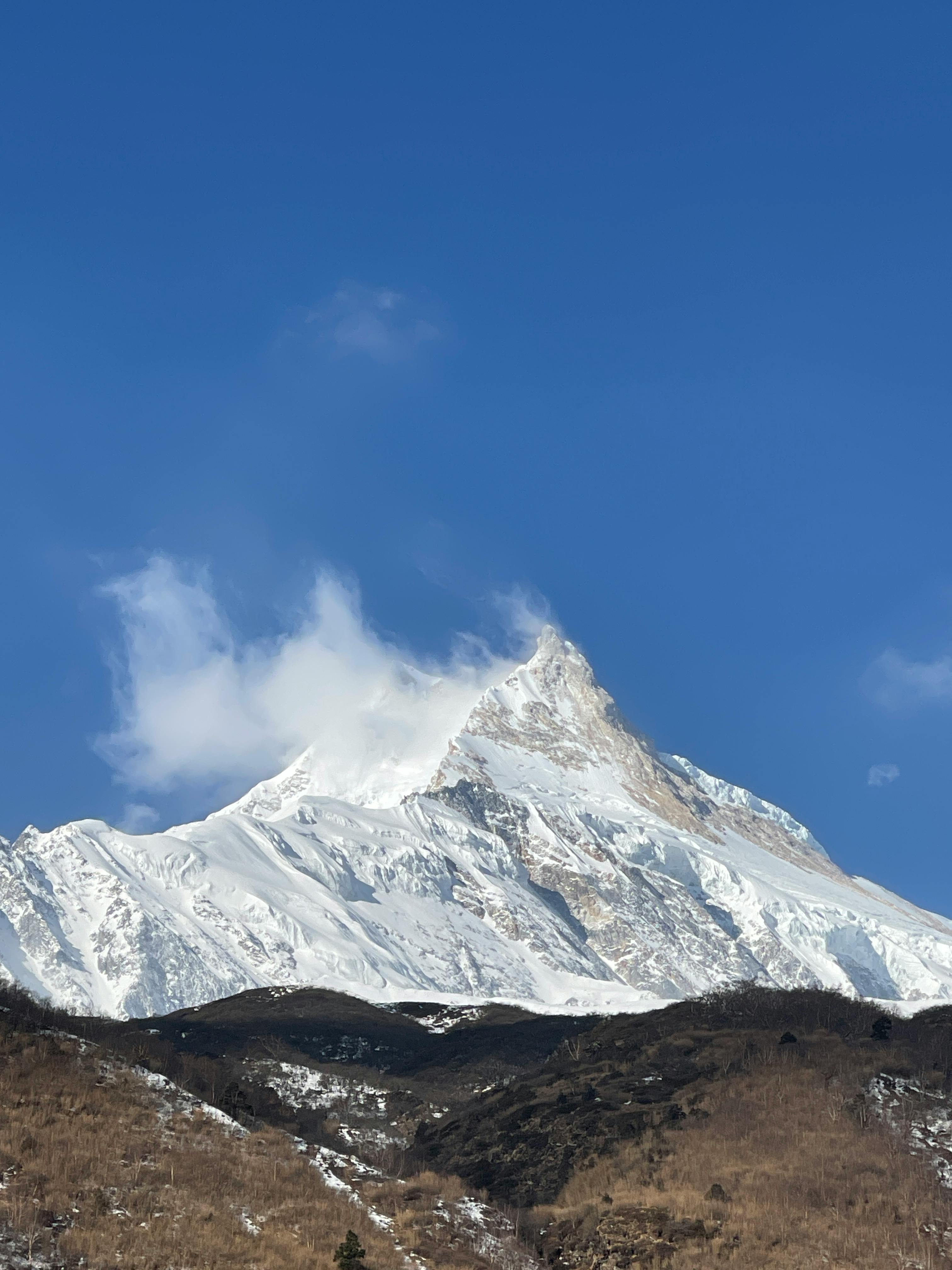
<h2>Manaslu Circuit Trek</h2> <p> The <strong>Manaslu Circuit Trek</strong> is one of Nepal’s most spectacular and less crowded long distance treks, offering a perfect blend of high Himalayan scenery, rich Tibetan influenced culture, and raw wilderness. Circling <strong>Mount Manaslu (8,163 m)</strong> the world’s eighth highest mountain, this trek is ideal for trekkers seeking an authentic and adventurous experience away from busy trails like Everest and Annapurna. </p> <h3>Trip Overview</h3> <ul> <li><strong>Duration:</strong> 14–18 days</li> <li><strong>Maximum Elevation:</strong> 5,160 m (Larkya La Pass)</li> <li><strong>Difficulty:</strong> Moderate to Challenging</li> <li><strong>Region:</strong> Manaslu Conservation Area</li> <li><strong>Starting Point:</strong> Soti Khola / Machha Khola</li> <li><strong>Ending Point:</strong> Dharapani</li> <li><strong>Permit Required:</strong> Yes (Restricted Area)</li> </ul> <h3>Travel Timeline (Typical 16-Day Itinerary)</h3> <ol> <li><strong>Day 1:</strong> Drive from Kathmandu to Soti Khola</li> <li><strong>Day 2:</strong> Trek to Machha Khola</li> <li><strong>Day 3:</strong> Trek to Jagat</li> <li><strong>Day 4:</strong> Trek to Deng</li> <li><strong>Day 5:</strong> Trek to Namrung</li> <li><strong>Day 6:</strong> Trek to Samagaun</li> <li><strong>Day 7:</strong> Acclimatization day at Samagaun (Manaslu Base Camp hike)</li> <li><strong>Day 8:</strong> Trek to Samdo</li> <li><strong>Day 9:</strong> Acclimatization day at Samdo</li> <li><strong>Day 10:</strong> Trek to Dharamsala (Larkya Phedi)</li> <li><strong>Day 11:</strong> Cross Larkya La Pass and trek to Bimthang</li> <li><strong>Day 12:</strong> Trek to Dharapani</li> <li><strong>Day 13:</strong> Drive to Besisahar</li> <li><strong>Day 14:</strong> Return to Kathmandu</li> </ol> <h3>Trekking Route</h3> <p> The Manaslu Circuit trek begins with a scenic drive from Kathmandu to Soti Khola, followed by trekking along the Budhi Gandaki River. The trail passes through lush forests, deep gorges, suspension bridges, and traditional villages like Jagat, Deng, and Namrung. As altitude increases, the landscape becomes more alpine and culturally Tibetan, especially around Samagaun and Samdo. The highlight is crossing the dramatic <strong>Larkya La Pass (5,160 m)</strong>, offering breathtaking views before descending into the Annapurna region. </p> <h3>Major Highlights</h3> <ul> <li>Close-up views of Mt. Manaslu, Himalchuli, Ganesh Himal, and Annapurna II</li> <li>Crossing the challenging Larkya La Pass</li> <li>Authentic Tibetan Buddhist culture and monasteries</li> <li>Remote villages untouched by mass tourism</li> <li>Manaslu Base Camp side hike</li> <li>Diverse landscapes from subtropical forests to alpine glaciers</li> </ul> <h3>Cultural Experience</h3> <p> The Manaslu region is deeply influenced by Tibetan Buddhism. Prayer flags, mani walls, chortens, and ancient monasteries are common sights along the trail. Villages like Samagaun and Samdo reflect a traditional Himalayan lifestyle where yak herding, farming, and monastery life dominate daily routines. </p> <h3>Accommodation & Food</h3> <p> Accommodation during the Manaslu Circuit Trek is in local teahouses and lodges. Rooms are simple but comfortable, usually with twin beds. Meals include traditional Nepali food like <em>dal bhat</em>, as well as noodles, soups, momos, potatoes, pasta, and Tibetan bread. As altitude increases, food choices become limited but nourishing. </p> <h3>Difficulty & Fitness Level</h3> <p> This trek is considered <strong>moderate to challenging</strong> due to its long duration, high altitude, and remote location. Previous trekking experience is recommended, and good physical fitness is essential. Proper acclimatization days are included to reduce the risk of altitude sickness. </p> <h3>Permits Required</h3> <ul> <li>Manaslu Restricted Area Permit</li> <li>Manaslu Conservation Area Permit (MCAP)</li> <li>Annapurna Conservation Area Permit (ACAP)</li> </ul> <h3>Best Time to Trek</h3> <ul> <li><strong>Spring (March–May):</strong> Clear skies, blooming rhododendrons</li> <li><strong>Autumn (September–November):</strong> Best weather, excellent mountain views</li> </ul> <h3>Why Choose the Manaslu Circuit Trek?</h3> <p> The Manaslu Circuit Trek is perfect for trekkers who want solitude, cultural depth, and raw Himalayan adventure. With fewer crowds, dramatic scenery, and authentic village life, it offers one of the most rewarding trekking experiences in Nepal. </p>

Mardi Himal Trek
<h2>Mardi Himal Trek</h2> <p> The <strong>Mardi Himal Trek</strong> is one of Nepal’s most beautiful and relatively short trekking routes, ideal for travelers who want breathtaking Himalayan scenery without committing to a long and demanding expedition. Located east of the popular Annapurna Base Camp trail, this trek remains peaceful, less crowded, and incredibly rewarding. It offers close-up views of <strong>Machapuchare (Fishtail)</strong>, <strong>Annapurna South</strong>, <strong>Hiunchuli</strong>, and surrounding peaks. </p> <h3>Trip Duration</h3> <ul> <li><strong>Total Days:</strong> 7–9 days</li> <li><strong>Maximum Elevation:</strong> 4,500 meters (Mardi Himal Base Camp)</li> </ul> <h3>Travel Timeline (Typical Itinerary)</h3> <ul> <li>Day 1: Kathmandu to Pokhara (flight or tourist bus)</li> <li>Day 2: Pokhara to Kande/Phedi, trek to Forest Camp</li> <li>Day 3: Forest Camp to Low Camp</li> <li>Day 4: Low Camp to High Camp</li> <li>Day 5: High Camp to Mardi Himal Base Camp and return</li> <li>Day 6: High Camp to Siding Village or Forest Camp</li> <li>Day 7: Trek to Lumre and drive back to Pokhara</li> <li>Optional Day 8–9: Return to Kathmandu or rest in Pokhara</li> </ul> <h3>Trekking Route</h3> <p> The trek begins with a short drive from Pokhara to Kande or Phedi. The trail ascends through lush rhododendron and oak forests, gradually transitioning into alpine terrain. From Low Camp onward, the route follows a scenic ridge offering continuous mountain views. The final hike to <strong>Mardi Himal Base Camp</strong> is steep and dramatic, with panoramic Himalayan scenery on both sides. </p> <h3>Highlights of the Trek</h3> <ul> <li>Up-close views of Machapuchare (Fishtail Mountain)</li> <li>Panoramic Annapurna and Hiunchuli views</li> <li>Peaceful trails with fewer trekkers</li> <li>Rhododendron forests in spring</li> <li>High ridge walks with dramatic landscapes</li> <li>Authentic Gurung villages</li> </ul> <h3>Accommodation & Staying Places</h3> <p> Accommodation is provided in teahouses and local lodges along the route: </p> <ul> <li><strong>Forest Camp:</strong> Basic lodges surrounded by dense forest</li> <li><strong>Low Camp:</strong> Cozy teahouses with partial mountain views</li> <li><strong>High Camp:</strong> Stunning views of Annapurna range</li> <li><strong>Siding Village:</strong> Traditional homestays and local culture</li> </ul> <h3>Best Time to Trek</h3> <ul> <li><strong>Spring (March–May):</strong> Flowers and clear views</li> <li><strong>Autumn (September–November):</strong> Best weather and visibility</li> <li><strong>Winter:</strong> Possible with proper gear</li> <li><strong>Monsoon:</strong> Lush scenery but limited views</li> </ul> <h3>Difficulty Level</h3> <p> <strong>Easy to Moderate</strong> – suitable for beginners with good fitness. Daily walking time ranges from 4 to 6 hours. </p> <h3>Permits Required</h3> <ul> <li>Annapurna Conservation Area Permit (ACAP)</li> <li>TIMS Card</li> </ul> <h3>Why Choose Mardi Himal Trek?</h3> <p> The Mardi Himal Trek is perfect for those seeking a short, scenic, and peaceful Himalayan adventure. It combines dramatic mountain views, cultural experiences, and accessibility, making it one of Nepal’s best hidden trekking gems. </p>

Muktinath Trek
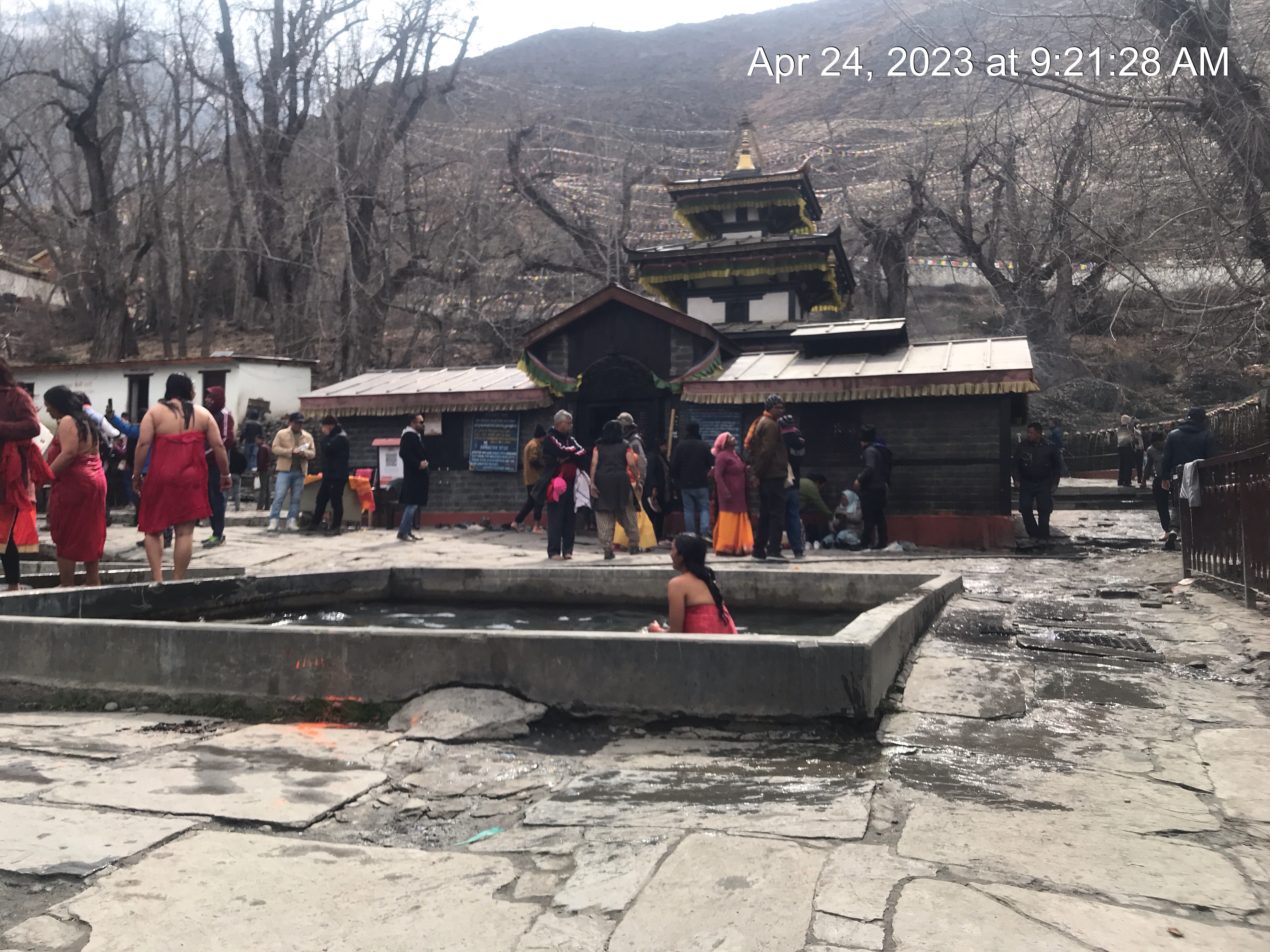
<h2>Muktinath Trek</h2> <p> The <strong>Muktinath Trek</strong> is a beautiful journey that combines breathtaking Himalayan landscapes with deep religious and cultural significance. Located in the Mustang region of Nepal, Muktinath is one of the most sacred pilgrimage sites for both Hindus and Buddhists. </p> <p> This trek is perfect for travelers who want a mix of spiritual exploration, moderate trekking, traditional villages, and dramatic views of the Annapurna and Dhaulagiri mountain ranges. </p> <h2>Overview at a Glance</h2> <ul> <li><strong>Trek Duration:</strong> 7–12 days (commonly 10 days)</li> <li><strong>Maximum Elevation:</strong> 3,800 m (Muktinath Temple)</li> <li><strong>Difficulty Level:</strong> Easy to Moderate</li> <li><strong>Best Seasons:</strong> March–May, September–November</li> <li><strong>Accommodation:</strong> Tea houses & lodges</li> <li><strong>Region:</strong> Mustang / Annapurna</li> </ul> <h2>Number of Days & Trek Duration</h2> <p> The Muktinath Trek usually takes around <strong>7 to 12 days</strong>, depending on the route chosen and mode of travel. Some trekkers combine trekking with jeep rides, making it suitable for all age groups. </p> <p> Because of its relatively lower altitude compared to other Himalayan treks, this journey is comfortable and less physically demanding. </p> <h2>Travel Timeline</h2> <h3>Day 1: Kathmandu to Pokhara</h3> <p> The journey begins with a scenic drive or flight from Kathmandu to <strong>Pokhara</strong>, a beautiful lakeside city and the gateway to the Annapurna region. </p> <h3>Day 2–3: Pokhara to Jomsom</h3> <p> Travel continues towards <strong>Jomsom</strong>, either by flight or road. The landscape changes dramatically as you enter the rain-shadow region of Mustang, with dry valleys and strong mountain winds. </p> <h3>Day 4: Jomsom to Kagbeni</h3> <p> The trek begins with a gentle walk to <strong>Kagbeni</strong>, an ancient village with narrow alleys, traditional houses, and a strong Tibetan influence. </p> <h3>Day 5: Kagbeni to Muktinath</h3> <p> This is the most important day of the trek. The trail ascends gradually to <strong>Muktinath Temple (3,800 m)</strong>, offering panoramic views of Dhaulagiri, Nilgiri, and Annapurna peaks. </p> <h3>Day 6: Exploration Day at Muktinath</h3> <p> Visit the sacred Muktinath Temple, the 108 water spouts, and nearby monasteries. The atmosphere is peaceful and spiritually uplifting. </p> <h3>Day 7–10: Return Journey</h3> <p> The return route descends through villages such as <strong>Jharkot and Jomsom</strong>, followed by travel back to Pokhara and Kathmandu. </p> <h2>Trekking Route</h2> <p> The trek lies within the <strong>Annapurna Conservation Area</strong>. The route follows the Kali Gandaki Valley, one of the deepest gorges in the world, surrounded by massive Himalayan peaks. </p> <p> The dry and windy landscape of Mustang offers a unique contrast to the greener regions of Nepal. </p> <h2>Highlights of the Trek</h2> <ul> <li>Visit to the sacred Muktinath Temple</li> <li>Panoramic views of Annapurna and Dhaulagiri ranges</li> <li>Traditional villages of Kagbeni and Jharkot</li> <li>Unique landscape of the Mustang region</li> <li>Suitable for spiritual seekers and leisure trekkers</li> </ul> <h2>Accommodation & Staying Places</h2> <p> Accommodation during the Muktinath Trek is comfortable, with well-established <strong>tea houses and lodges</strong> throughout the route. </p> <ul> <li>Pokhara</li> <li>Jomsom</li> <li>Kagbeni</li> <li>Muktinath</li> </ul> <h2>Food & Meals</h2> <p> A wide variety of meals are available along the trek, influenced by both Nepali and Tibetan cuisine. </p> <ul> <li>Dal Bhat (rice, lentils, vegetables)</li> <li>Thukpa and Tibetan bread</li> <li>Noodles, rice, and soups</li> <li>Tea, coffee, and hot drinks</li> </ul> <h2>Difficulty & Fitness</h2> <p> The Muktinath Trek is considered <strong>easy to moderate</strong>. It is suitable for beginners, families, and older travelers with a basic level of fitness. </p> <h2>Why Choose Muktinath Trek?</h2> <p> The Muktinath Trek is ideal for travelers seeking a meaningful journey that blends natural beauty, spiritual significance, and cultural exploration. It offers a peaceful trekking experience without extreme physical challenges. </p>

Phoksundo Trek
<h2>Phoksundo Trek</h2> <p>The <strong>Phoksundo Trek</strong> takes you to the breathtaking Phoksundo Lake and the surrounding Dolpo region, offering a unique blend of natural beauty, remote wilderness, and cultural richness. Known for its turquoise lake and the dramatic cliffs around it, Phoksundo Lake is the deepest in Nepal and is part of the Shey Phoksundo National Park, home to diverse wildlife and Tibetan Buddhist communities.</p> <p>This trek is perfect for adventurers seeking a combination of moderate trekking, high-altitude scenery, and exposure to the unique Tibetan-influenced culture of the Dolpo region.</p> <hr> <h3>Trip Duration</h3> <ul> <li><strong>Total Duration:</strong> 12–15 days</li> <li><strong>Trekking Days:</strong> 8–10 days</li> <li><strong>Maximum Elevation:</strong> 4,100 m (around Ringmo village)</li> </ul> <hr> <h3>Travel Timeline (Day-wise Overview)</h3> <ul> <li><strong>Day 1:</strong> Fly from Kathmandu to Nepalgunj</li> <li><strong>Day 2:</strong> Fly to Juphal, trek to Dunai</li> <li><strong>Day 3:</strong> Trek from Dunai to Pina</li> <li><strong>Day 4:</strong> Trek to Phoksundo Lake and Ringmo village</li> <li><strong>Day 5:</strong> Explore the lake, surrounding cliffs, and villages</li> <li><strong>Day 6:</strong> Trek to Namgung Gompa</li> <li><strong>Day 7:</strong> Trek to Saldang</li> <li><strong>Day 8:</strong> Trek back to Dunai via Ringmo or alternative scenic route</li> <li><strong>Day 9:</strong> Fly back to Nepalgunj, then to Kathmandu</li> </ul> <p>The itinerary may be adjusted based on weather, flight schedules, and trekking pace.</p> <hr> <h3>Trekking Route</h3> <p>Kathmandu → Nepalgunj → Juphal → Dunai → Pina → Phoksundo Lake → Ringmo → Dunai → Juphal → Nepalgunj → Kathmandu</p> <p>The trail passes through remote villages, pine and juniper forests, terraced fields, cliffs, and the stunning turquoise waters of Phoksundo Lake.</p> <hr> <h3>Major Highlights</h3> <ul> <li>Pristine <strong>Phoksundo Lake</strong> with turquoise waters and dramatic cliffs</li> <li>Shey Phoksundo National Park and its diverse wildlife including snow leopard, musk deer, and Himalayan monal</li> <li>Tibetan Buddhist villages and monasteries</li> <li>Stone-paved trails and traditional Dolpo architecture</li> <li>Scenic high-altitude landscapes with minimal tourist traffic</li> </ul> <hr> <h3>Culture & Local Life</h3> <p>The Dolpo region is rich in Tibetan Buddhist culture. Trekkers will encounter monasteries, prayer flags, mani walls, and traditional stone houses. Locals maintain a simple lifestyle, herding yaks and practicing subsistence agriculture, making this trek a culturally immersive experience.</p> <hr> <h3>Accommodation & Food</h3> <h4>Staying Places</h4> <ul> <li>Simple teahouses in villages</li> <li>Basic lodges with twin-sharing rooms and limited amenities</li> <li>Camping may be necessary in more remote areas</li> </ul> <h4>Food</h4> <ul> <li>Dal Bhat, noodles, pasta, potatoes, and soups</li> <li>Local Tibetan tea and tsampa</li> <li>Freshly prepared meals by trekking crew or lodge kitchens</li> </ul> <hr> <h3>Best Time to Visit</h3> <ul> <li><strong>Spring (March–May):</strong> Blooming rhododendrons, mild weather</li> <li><strong>Autumn (September–November):</strong> Clear skies and stable trekking conditions</li> </ul> <hr> <h3>Difficulty Level</h3> <ul> <li><strong>Difficulty:</strong> Moderate to Challenging</li> <li>Daily trekking: 5–7 hours</li> <li>High-altitude areas require proper acclimatization</li> </ul> <hr> <h3>Permits Required</h3> <ul> <li>Upper Dolpo Restricted Area Permit</li> <li>Shey Phoksundo National Park Permit</li> </ul> <p>Restricted permits require trekking with a registered agency and licensed guide.</p> <hr> <h3>Why Choose the Phoksundo Trek?</h3> <ul> <li>Visit one of Nepal’s most beautiful and remote lakes</li> <li>Experience Tibetan Buddhist culture and Dolpo traditions</li> <li>Adventure in a remote Himalayan region with minimal tourism</li> <li>Combination of natural beauty, culture, and adventure</li> </ul> <p><em>The Phoksundo Trek is a journey into one of Nepal’s most untouched and mystical regions, offering unforgettable landscapes, wildlife, and cultural encounters.</em></p> <p><strong>Contact us</strong> to customize your Phoksundo Trek package, including permits, logistics, and accommodations.</p>

Rara Trek
<h2>Rara Lake Trek</h2> <p>The <strong>Rara Trek</strong> takes you to the stunning Rara Lake, the largest lake in Nepal, located in the remote far-western region. Surrounded by the snow-capped peaks of the Humla and Jumla ranges, Rara Lake is often called the <em>"Pearl of Nepal"</em> and offers a serene, untouched trekking experience.</p> <p>This trek is ideal for trekkers seeking solitude, scenic beauty, and a combination of natural and cultural exploration in one of Nepal’s least explored regions.</p> <hr> <h3>Trip Duration</h3> <ul> <li><strong>Total Duration:</strong> 12–15 days</li> <li><strong>Trekking Days:</strong> 8–10 days</li> <li><strong>Maximum Elevation:</strong> 3,600 m (around Rara Lake viewpoint)</li> </ul> <hr> <h3>Travel Timeline (Day-wise Overview)</h3> <ul> <li><strong>Day 1:</strong> Fly from Kathmandu to Nepalgunj</li> <li><strong>Day 2:</strong> Fly to Jumla, trek to Chaurjahari</li> <li><strong>Day 3:</strong> Trek from Chaurjahari to Sitalpati</li> <li><strong>Day 4:</strong> Trek to Rara Lake region</li> <li><strong>Day 5:</strong> Explore Rara Lake and surrounding viewpoints</li> <li><strong>Day 6:</strong> Trek to Talcha</li> <li><strong>Day 7:</strong> Trek back to Chaurjahari</li> <li><strong>Day 8:</strong> Fly to Jumla and then to Nepalgunj</li> <li><strong>Day 9:</strong> Fly back to Kathmandu</li> </ul> <p>Itinerary can be adjusted depending on flights, weather, and trekking pace.</p> <hr> <h3>Trekking Route</h3> <p>Kathmandu → Nepalgunj → Jumla → Chaurjahari → Rara Lake → Talcha → Jumla → Nepalgunj → Kathmandu</p> <p>The trail passes through rural far-western Nepal, lush forests, traditional villages, and high-altitude meadows surrounding the pristine Rara Lake.</p> <hr> <h3>Major Highlights</h3> <ul> <li>Pristine <strong>Rara Lake</strong> with turquoise waters and snow-capped backdrop</li> <li>Remote and untouched villages of far-western Nepal</li> <li>Panoramic mountain views including the Humla and Jumla ranges</li> <li>Abundant wildlife: Himalayan monal, musk deer, and birds</li> <li>Peaceful trekking with minimal tourist traffic</li> </ul> <hr> <h3>Culture & Local Life</h3> <p>Rara region is home to diverse communities with distinct cultural practices. The people are friendly and maintain a traditional lifestyle. Visitors experience remote village life, festivals, and local farming practices.</p> <hr> <h3>Accommodation & Food</h3> <h4>Staying Places</h4> <ul> <li>Simple lodges and teahouses near Rara Lake</li> <li>Camping may be required in more remote sections</li> <li>Basic twin-sharing rooms with limited amenities</li> </ul> <h4>Food</h4> <ul> <li>Dal Bhat, noodles, pasta, and local vegetables</li> <li>Local teas and snacks</li> <li>Food is freshly cooked by lodge or camping crew</li> </ul> <hr> <h3>Best Time to Visit</h3> <ul> <li><strong>Spring (March–May):</strong> Blooming rhododendrons and pleasant weather</li> <li><strong>Autumn (September–November):</strong> Clear skies and comfortable temperatures</li> </ul> <hr> <h3>Difficulty Level</h3> <ul> <li><strong>Difficulty:</strong> Moderate</li> <li>Suitable for trekkers with good fitness level</li> <li>Daily walking: 4–6 hours</li> </ul> <hr> <h3>Permits Required</h3> <ul> <li>Rara National Park Permit</li> <li>ACAP or TIMS not required, as this is outside the Annapurna region</li> </ul> <hr> <h3>Why Choose the Rara Trek?</h3> <ul> <li>Visit one of Nepal’s most beautiful and least crowded lakes</li> <li>Remote trekking with serene landscapes and wildlife</li> <li>Experience authentic far-western Nepalese culture</li> <li>Perfect for adventurers looking for tranquility and natural beauty</li> </ul> <p><em>The Rara Trek offers an unforgettable journey to Nepal’s hidden Himalayan gem, combining natural beauty, culture, and adventure.</em></p> <p><strong>Contact us</strong> to arrange customized Rara Trek packages, flights, and accommodations.</p>

Tsum Valley Trek
<h2>Tsum Valley Trek</h2> <p> The <strong>Tsum Valley Trek</strong> is a deeply spiritual and culturally immersive journey into one of Nepal’s most sacred and secluded Himalayan valleys. Nestled in the northern part of the Manaslu region, near the Tibetan border, Tsum Valley is often called the <em>Hidden Valley of Happiness</em>. Opened to trekkers only in recent years, this region remains largely untouched, offering pristine landscapes, ancient monasteries, and a peaceful Buddhist way of life. </p> <h3>Trip Overview</h3> <ul> <li><strong>Duration:</strong> 14–16 days</li> <li><strong>Maximum Elevation:</strong> 3,700 m (Mu Gompa)</li> <li><strong>Difficulty:</strong> Moderate</li> <li><strong>Region:</strong> Tsum Valley, Manaslu Region</li> <li><strong>Starting Point:</strong> Machha Khola </li> <li><strong>Ending Point: Machha khola </strong></li> <li><strong>Permit Required:</strong> Yes (Restricted Area)</li> </ul> <h3>Travel Timeline (Typical 14-Day Itinerary)</h3> <ol> <li><strong>Day 1:</strong> Drive from Kathmandu Elevation = 1400 meter to Machha khola . Elevation = 1035 meter. </li> <li><strong>Day 2:</strong> Trek to Jagat . Elevation = 1475 meter </li> <li><strong>Day 3:</strong> Trek to Lokpa. Elevation = 2005 meter ( entry to Tsum valley ) </li> <li><strong>Day 4:</strong> Trek to Chumling . Elevation = 2345 meter </li> <li><strong>Day 5:</strong> Trek to Chhekam. paro. Elevation = 3085 meter </li> <li><strong>Day 6:</strong> Trek to Chhule . Elevation = 3345 meter / Nile </li> <li><strong>Day 7:</strong> Trek to Mu Gompa . Elevation = 3705 meter </li> <li><strong>Day 8:</strong> Acclimatization & exploration day (Mu Gompa & Dhephu Doma Gompa)</li> <li><strong>Day 9:</strong> Trek back to Chhekam Paro. Elevation = 3085 meter </li> <li><strong>Day 10:</strong> Trek to Chumling. Elevation = 2345 meter </li> <li><strong>Day 11:</strong> Trek to Lokpa. Elevation = meter 2005 </li> <li><strong>Day 12:</strong> Trek to Jagat. Elevation = 1475 meter </li> <li><strong>Day 13:</strong> Trek to Machha Khola. Elevation = 1035 meter </li> <li><strong>Day 14: Drive bank to Kathmandu Elevation = 1400 meter </strong></li> </ol> <h3>Trekking Route</h3> <p> The trek begins with a drive from Kathmandu to Machha Khola, followed by trekking along the Budhi Gandaki River. From Jagat, the trail branches away from the Manaslu Circuit and enters the sacred Tsum Valley through Lokpa. The route ascends gradually through pine forests, suspension bridges, and traditional villages like Chumling and Chhekam Paro, eventually reaching the spiritual heart of the valley at Mu Gompa. </p> <h3>Major Highlights</h3> <ul> <li>Remote and peaceful Tsum Valley with minimal tourism</li> <li>Ancient monasteries such as Mu Gompa and Rachen Gompa</li> <li>Deep Tibetan Buddhist culture and Bon traditions</li> <li>Magnificent views of Ganesh Himal, Sringi Himal, and Buddha Himal</li> <li>Traditional villages untouched by modernization</li> <li>Sacred sites believed to have been blessed by Guru Rinpoche</li> </ul> <h3>Cultural & Spiritual Experience</h3> <p> Tsum Valley is one of Nepal’s most spiritually significant regions. The local people practice Tibetan Buddhism and Bon religion, and many villages follow non-violence traditions where hunting is prohibited. Monasteries, mani walls, prayer flags, and centuries-old rituals dominate daily life, offering trekkers a rare opportunity for cultural and spiritual connection. </p> <h3>Accommodation & Food</h3> <p> Accommodation during the Tsum Valley Trek is in simple teahouses and local lodges. Rooms are basic but clean and welcoming. Meals typically include dal bhat, rice, potatoes, noodles, soups, Tibetan bread, and seasonal vegetables. Food is locally sourced and prepared with care. </p> <h3>Difficulty & Fitness Level</h3> <p> The trek is considered <strong>moderate</strong> and suitable for trekkers with average fitness levels. Although the altitude is lower compared to high-pass treks, the remoteness and long walking days require good stamina and preparation. </p> <h3>Permits Required</h3> <ul> <li>Tsum Valley Restricted Area Permit</li> <li>Manaslu Conservation Area Permit (MCAP)</li> </ul> <h3>Best Time to Trek</h3> <ul> <li><strong>Spring (March–May):</strong> Clear weather and blooming forests</li> <li><strong>Autumn (September–November):</strong> Best visibility and stable conditions</li> </ul> <h3>Why Choose the Tsum Valley Trek?</h3> <p> The Tsum Valley Trek is perfect for trekkers seeking tranquility, cultural depth, and spiritual exploration. With its untouched villages, ancient monasteries, and breathtaking Himalayan scenery, it offers a rare and meaningful trekking experience far from crowded trails. </p>

Upper Dolpo
<h2>Upper Dolpo Trek</h2> <p> The <strong>Upper Dolpo Trek</strong> is one of the most remote, mystical, and culturally rich trekking experiences in Nepal. Located in the far western region, this trek takes you deep into a hidden Himalayan world that remained isolated from modern influence for centuries. Famous for its connection to Tibetan Bon Buddhism, ancient monasteries, and dramatic high-altitude landscapes, Upper Dolpo feels like stepping back in time. </p> <h3>Trip Overview</h3> <ul> <li><strong>Duration:</strong> 20–25 days</li> <li><strong>Maximum Elevation:</strong> 5,360 m (Kang La Pass)</li> <li><strong>Difficulty:</strong> Challenging</li> <li><strong>Region:</strong> Dolpo Region, Western Nepal</li> <li><strong>Starting Point:</strong> Juphal</li> <li><strong>Ending Point:</strong> Juphal</li> <li><strong>Permit Required:</strong> Yes (Restricted Area)</li> </ul> <h3>Travel Timeline (Typical 22-Day Itinerary)</h3> <ol> <li><strong>Day 1:</strong> Fly Kathmandu to Nepalgunj</li> <li><strong>Day 2:</strong> Fly Nepalgunj to Juphal, trek to Dunai</li> <li><strong>Day 3:</strong> Trek to Tarakot</li> <li><strong>Day 4:</strong> Trek to Laini Odar</li> <li><strong>Day 5:</strong> Trek to Nawarpani</li> <li><strong>Day 6:</strong> Trek to Dho Tarap</li> <li><strong>Day 7:</strong> Acclimatization day at Dho Tarap</li> <li><strong>Day 8:</strong> Trek to Tokyu</li> <li><strong>Day 9:</strong> Trek to Saldang</li> <li><strong>Day 10:</strong> Trek to Yangze Gompa</li> <li><strong>Day 11:</strong> Trek back to Saldang</li> <li><strong>Day 12:</strong> Trek to Khoma La Base Camp</li> <li><strong>Day 13:</strong> Cross Khoma La Pass and trek to Shey Gompa</li> <li><strong>Day 14:</strong> Acclimatization day at Shey Gompa</li> <li><strong>Day 15:</strong> Trek to Namgung</li> <li><strong>Day 16:</strong> Trek to Saldang via high pass</li> <li><strong>Day 17:</strong> Trek to Dho Tarap</li> <li><strong>Day 18:</strong> Trek to Tarakot</li> <li><strong>Day 19:</strong> Trek to Dunai</li> <li><strong>Day 20:</strong> Trek to Juphal</li> <li><strong>Day 21:</strong> Fly to Nepalgunj</li> <li><strong>Day 22:</strong> Return to Kathmandu</li> </ol> <h3>Trekking Route</h3> <p> The Upper Dolpo Trek begins with flights to Nepalgunj and Juphal, followed by a long trek through the Thuli Bheri and Tarap river valleys. The route passes through ancient Bon and Buddhist villages such as Dho Tarap, Tokyu, and Saldang, before reaching sacred sites like Shey Gompa. High passes such as Khoma La and Kang La provide dramatic views of snow-covered peaks and barren Tibetan plateau landscapes. </p> <h3>Major Highlights</h3> <ul> <li>Exploration of remote Tibetan-influenced villages</li> <li>Shey Gompa – one of the oldest monasteries in Dolpo</li> <li>Bon religion and ancient Himalayan culture</li> <li>High mountain passes over 5,000 meters</li> <li>Raw, untouched Himalayan wilderness</li> <li>Minimal tourism and complete isolation</li> </ul> <h3>Cultural Experience</h3> <p> Upper Dolpo is a stronghold of the ancient Bon religion, predating Tibetan Buddhism. Life here revolves around monasteries, seasonal farming, and yak herding. Prayer flags, mani walls, chortens, and centuries-old traditions dominate everyday life, offering trekkers a rare cultural immersion unlike anywhere else in Nepal. </p> <h3>Accommodation & Food</h3> <p> Accommodation in Upper Dolpo is very basic. Trekkers usually camp for most of the journey, with occasional stays in simple village lodges in places like Dho Tarap and Saldang. Meals are prepared by trekking staff and include rice, lentils, potatoes, noodles, soups, and Tibetan-style bread. Supplies are carried from lower regions due to the extreme remoteness. </p> <h3>Difficulty & Fitness Level</h3> <p> This trek is <strong>challenging</strong> and suitable only for experienced trekkers. Long walking days, high altitude, cold weather, and remote conditions demand excellent physical fitness and mental endurance. Proper acclimatization is essential. </p> <h3>Permits Required</h3> <ul> <li>Upper Dolpo Restricted Area Permit</li> <li>Shey Phoksundo National Park Permit</li> </ul> <h3>Best Time to Trek</h3> <ul> <li><strong>Spring (May–June):</strong> Best for stable weather</li> <li><strong>Autumn (September–October):</strong> Clear skies and dry trails</li> </ul> <h3>Why Choose the Upper Dolpo Trek?</h3> <p> The Upper Dolpo Trek is for true adventure seekers who want to experience Nepal beyond popular trails. Its unmatched cultural depth, extreme remoteness, and stunning high-altitude scenery make it one of the most exclusive and rewarding treks in the Himalayas. </p>

Upper Mustang Trek
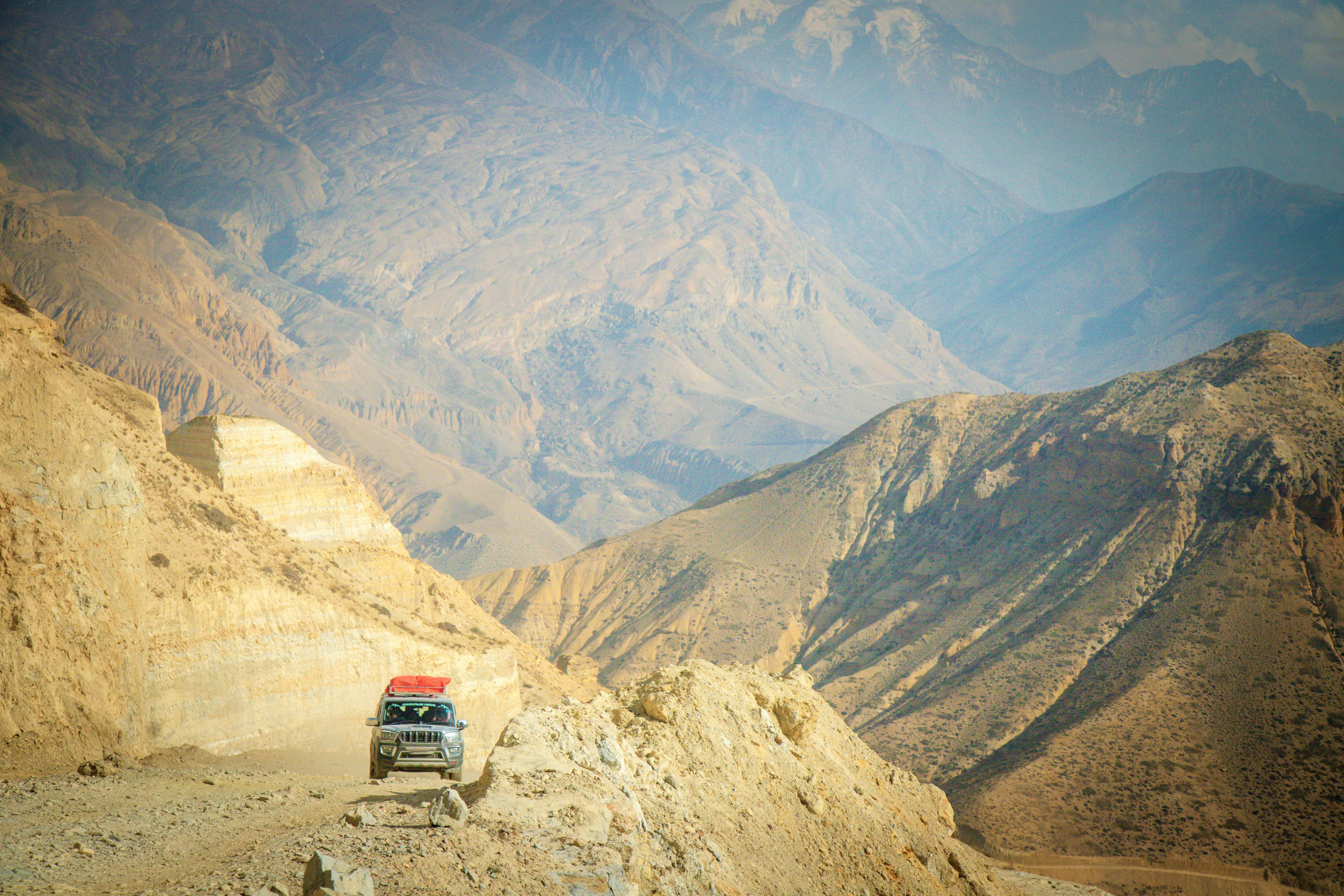
<h2>Upper Mustang Trek</h2> <p> The <strong>Upper Mustang Trek</strong> is a journey into the once forbidden Kingdom of Lo, a dramatic trans-Himalayan region bordering Tibet. Known for its surreal desert landscapes, ancient cave dwellings, medieval monasteries, and deeply preserved Tibetan culture, Upper Mustang offers a trekking experience unlike anywhere else in Nepal. This region remained closed to foreigners until 1992, helping preserve its raw beauty and unique traditions. </p> <h3>Trip Overview</h3> <ul> <li><strong>Duration:</strong> 12–16 days</li> <li><strong>Maximum Elevation:</strong> 4,200 m (Lo Manthang)</li> <li><strong>Difficulty:</strong> Moderate</li> <li><strong>Region:</strong> Upper Mustang, Annapurna Region</li> <li><strong>Starting Point:</strong> Jomsom</li> <li><strong>Ending Point:</strong> Jomsom</li> <li><strong>Permit Required:</strong> Yes (Restricted Area)</li> </ul> <h3>Travel Timeline (Typical 14-Day Itinerary)</h3> <ol> <li><strong>Day 1:</strong> Drive or fly from Kathmandu to Pokhara</li> <li><strong>Day 2:</strong> Fly to Jomsom, trek to Kagbeni</li> <li><strong>Day 3:</strong> Trek to Chele</li> <li><strong>Day 4:</strong> Trek to Syangboche</li> <li><strong>Day 5:</strong> Trek to Ghami</li> <li><strong>Day 6:</strong> Trek to Tsarang</li> <li><strong>Day 7:</strong> Trek to Lo Manthang</li> <li><strong>Day 8:</strong> Exploration day at Lo Manthang (caves & monasteries)</li> <li><strong>Day 9:</strong> Trek to Drakmar</li> <li><strong>Day 10:</strong> Trek to Ghiling</li> <li><strong>Day 11:</strong> Trek to Chhuksang</li> <li><strong>Day 12:</strong> Trek to Jomsom</li> <li><strong>Day 13:</strong> Fly or drive to Pokhara</li> <li><strong>Day 14:</strong> Return to Kathmandu</li> </ol> <h3>Trekking Route</h3> <p> The trek begins at Jomsom after a scenic flight from Pokhara. Passing through the Kali Gandaki Valley, trekkers reach Kagbeni, the gateway to Upper Mustang. From here, the landscape dramatically changes into arid cliffs, wind-eroded canyons, and colorful rock formations. The route passes traditional villages such as Chele, Ghami, Tsarang, and finally reaches the walled city of Lo Manthang, the cultural heart of Upper Mustang. </p> <h3>Major Highlights</h3> <ul> <li>Ancient walled city of Lo Manthang</li> <li>Sky caves and cliff monasteries</li> <li>Unique trans-Himalayan desert landscape</li> <li>Deeply preserved Tibetan culture and traditions</li> <li>Historic monasteries like Thubchen and Jampa Gompa</li> <li>Views of Nilgiri, Annapurna, and Dhaulagiri ranges</li> </ul> <h3>Cultural Experience</h3> <p> Upper Mustang is heavily influenced by Tibetan Buddhism and Bon traditions. The lifestyle, language, dress, and architecture closely resemble that of Tibet. Monasteries, prayer flags, mani walls, and annual festivals such as <em>Tiji Festival</em> play a central role in local life. Visiting Upper Mustang feels like walking through a living museum of Himalayan culture. </p> <h3>Accommodation & Food</h3> <p> Accommodation during the Upper Mustang Trek is in local teahouses and guesthouses. Rooms are simple but comfortable. Meals typically include dal bhat, noodles, soups, Tibetan bread, momos, and seasonal vegetables. Due to remoteness, food choices are limited but filling and hygienic. </p> <h3>Difficulty & Fitness Level</h3> <p> This trek is considered <strong>moderate</strong> and suitable for trekkers with a reasonable level of fitness. The altitude is lower than many high-pass treks, and the trail is well-established. However, dry winds, long walking days, and basic facilities require good preparation. </p> <h3>Permits Required</h3> <ul> <li>Upper Mustang Restricted Area Permit</li> <li>Annapurna Conservation Area Permit (ACAP)</li> </ul> <h3>Best Time to Trek</h3> <ul> <li><strong>Spring (March–May):</strong> Pleasant weather and cultural festivals</li> <li><strong>Autumn (September–November):</strong> Clear skies and stable conditions</li> </ul> <h3>Why Choose the Upper Mustang Trek?</h3> <p> The Upper Mustang Trek offers a rare chance to explore a preserved Himalayan kingdom with dramatic landscapes and ancient culture. Its combination of history, spirituality, and surreal scenery makes it one of Nepal’s most unique and unforgettable trekking experiences. </p>