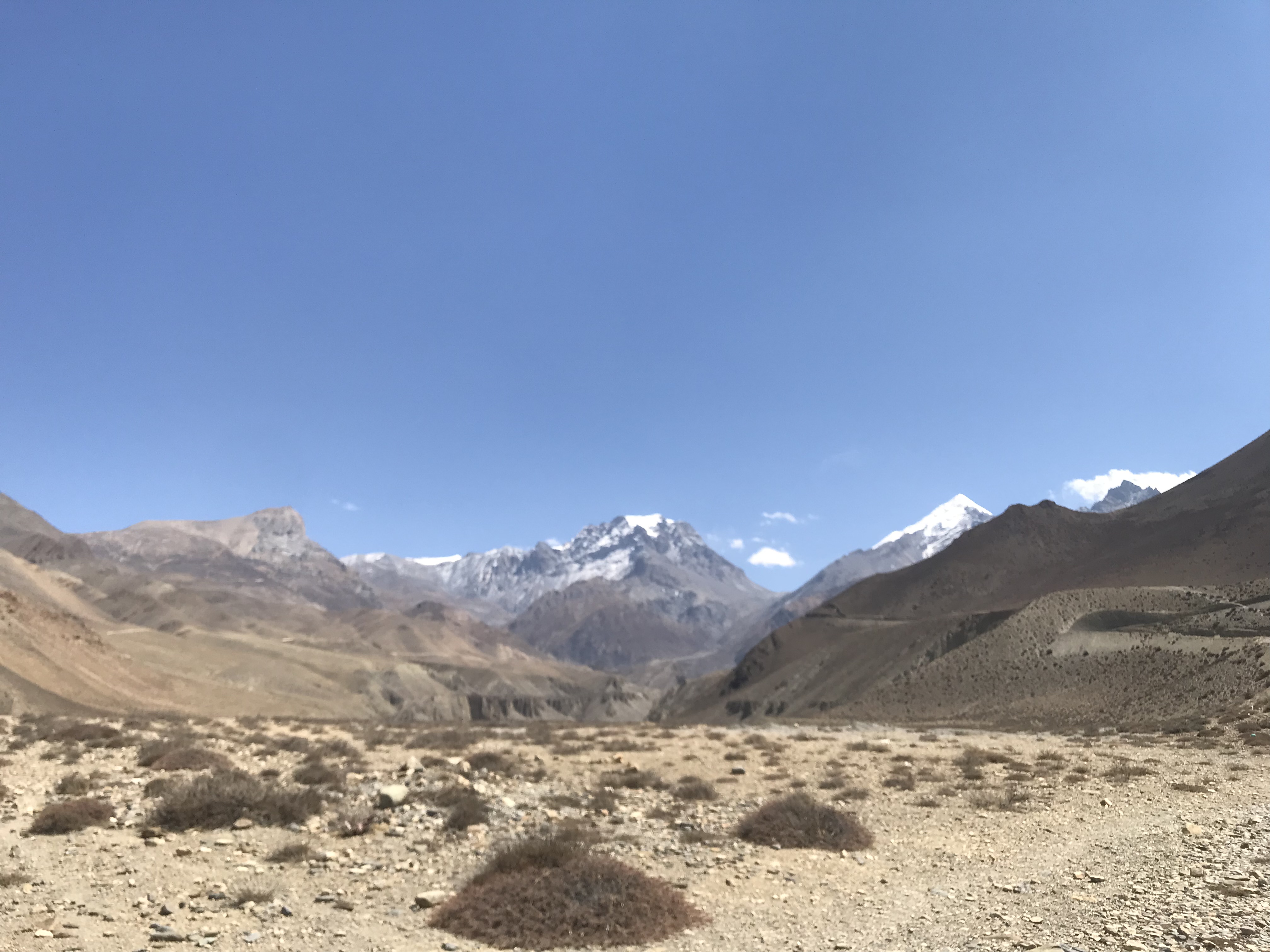
Upper Mustang Trek
The Upper Mustang Trek is a journey into the once forbidden Kingdom of Lo, a dramatic trans-Himalayan region bordering Tibet. Known for its surreal desert landscapes, ancient cave dwellings, medieval monasteries, and deeply preserved Tibetan culture, Upper Mustang offers a trekking experience unlike anywhere else in Nepal. This region remained closed to foreigners until 1992, helping preserve its raw beauty and unique traditions.
Trip Overview
- Duration: 12–16 days
- Maximum Elevation: 4,200 m (Lo Manthang)
- Difficulty: Moderate
- Region: Upper Mustang, Annapurna Region
- Starting Point: Jomsom
- Ending Point: Jomsom
- Permit Required: Yes (Restricted Area)
Travel Timeline (Typical 14-Day Itinerary)
- Day 1: Drive or fly from Kathmandu to Pokhara
- Day 2: Fly to Jomsom, trek to Kagbeni
- Day 3: Trek to Chele
- Day 4: Trek to Syangboche
- Day 5: Trek to Ghami
- Day 6: Trek to Tsarang
- Day 7: Trek to Lo Manthang
- Day 8: Exploration day at Lo Manthang (caves & monasteries)
- Day 9: Trek to Drakmar
- Day 10: Trek to Ghiling
- Day 11: Trek to Chhuksang
- Day 12: Trek to Jomsom
- Day 13: Fly or drive to Pokhara
- Day 14: Return to Kathmandu
Trekking Route
The trek begins at Jomsom after a scenic flight from Pokhara. Passing through the Kali Gandaki Valley, trekkers reach Kagbeni, the gateway to Upper Mustang. From here, the landscape dramatically changes into arid cliffs, wind-eroded canyons, and colorful rock formations. The route passes traditional villages such as Chele, Ghami, Tsarang, and finally reaches the walled city of Lo Manthang, the cultural heart of Upper Mustang.
Major Highlights
- Ancient walled city of Lo Manthang
- Sky caves and cliff monasteries
- Unique trans-Himalayan desert landscape
- Deeply preserved Tibetan culture and traditions
- Historic monasteries like Thubchen and Jampa Gompa
- Views of Nilgiri, Annapurna, and Dhaulagiri ranges
Cultural Experience
Upper Mustang is heavily influenced by Tibetan Buddhism and Bon traditions. The lifestyle, language, dress, and architecture closely resemble that of Tibet. Monasteries, prayer flags, mani walls, and annual festivals such as Tiji Festival play a central role in local life. Visiting Upper Mustang feels like walking through a living museum of Himalayan culture.
Accommodation & Food
Accommodation during the Upper Mustang Trek is in local teahouses and guesthouses. Rooms are simple but comfortable. Meals typically include dal bhat, noodles, soups, Tibetan bread, momos, and seasonal vegetables. Due to remoteness, food choices are limited but filling and hygienic.
Difficulty & Fitness Level
This trek is considered moderate and suitable for trekkers with a reasonable level of fitness. The altitude is lower than many high-pass treks, and the trail is well-established. However, dry winds, long walking days, and basic facilities require good preparation.
Permits Required
- Upper Mustang Restricted Area Permit
- Annapurna Conservation Area Permit (ACAP)
Best Time to Trek
- Spring (March–May): Pleasant weather and cultural festivals
- Autumn (September–November): Clear skies and stable conditions
Why Choose the Upper Mustang Trek?
The Upper Mustang Trek offers a rare chance to explore a preserved Himalayan kingdom with dramatic landscapes and ancient culture. Its combination of history, spirituality, and surreal scenery makes it one of Nepal’s most unique and unforgettable trekking experiences.